
R Michael Walker | interview by Giuseppe Vaccaro
How did your interest about photography start? Did you find any difficulty in your early years to spread your passion? Would you like to talk about your beginnings?
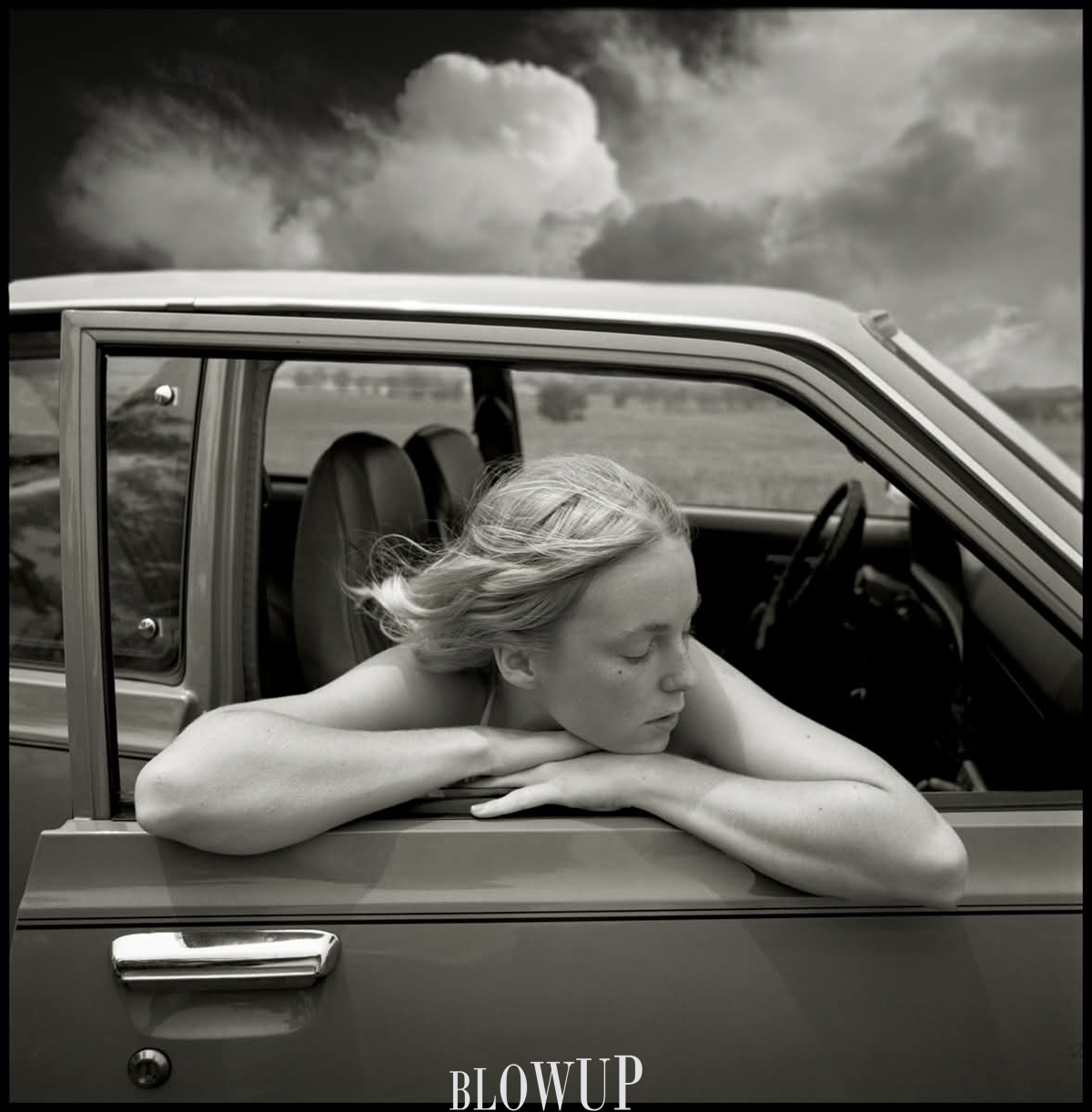
In 1966 I started my photographic journey while I was still in High School. I had a 6th period study hall and it was spring. It was warm and I could see the trees and hear the birds out the large windows that trapped myself and about 60 other teenagers in the huge room for the last hour of the school day. It was TORTURE! Then something interesting came over the announcements… the school paper and yearbook were looking for people to train as staff photographers. Only requirements were to have either a 3 or 6th person study hall and to own a non automatic camera. I was raised by my mother and her parents and we were not well to do. The aforementioned camera was $100 for the cheapest one the photo store had and that was over a week’s take home pay for my mom. But she got it for me. Now it was a 120 format twins lens Yashica D and while all the other photographers had 35mm cameras and interchangeable lenses, my Yashica was much sharper and had better detail. But it was slow and the film expensive and just not up to making photos of sports and the candids that fill a year book and the newspaper. But it was outstanding for portraits so that’s what I gravitated towards. Seems my mother’s choice of a camera she could almost afford would eventually define the bulk of my work as I mostly used MF and LF cameras for my work post 1972. When I graduated HS I went to the University of KY and majored in Journalism, the closest I could get to degree in photography…until I won an achievement award and caught the Dean’s eye. Seems there was a way to create a “Topical Major” if you could show there were enough courses in different departments to grant one. So I combined fine Art classes with Journalism and a few Phycology courses (you DO need to know how to get what you want out of your subjects after all) and the Fine Art Photography degree was born.
Would you like to make a comparison about what it meant being an artist in 70’s and today in your country?
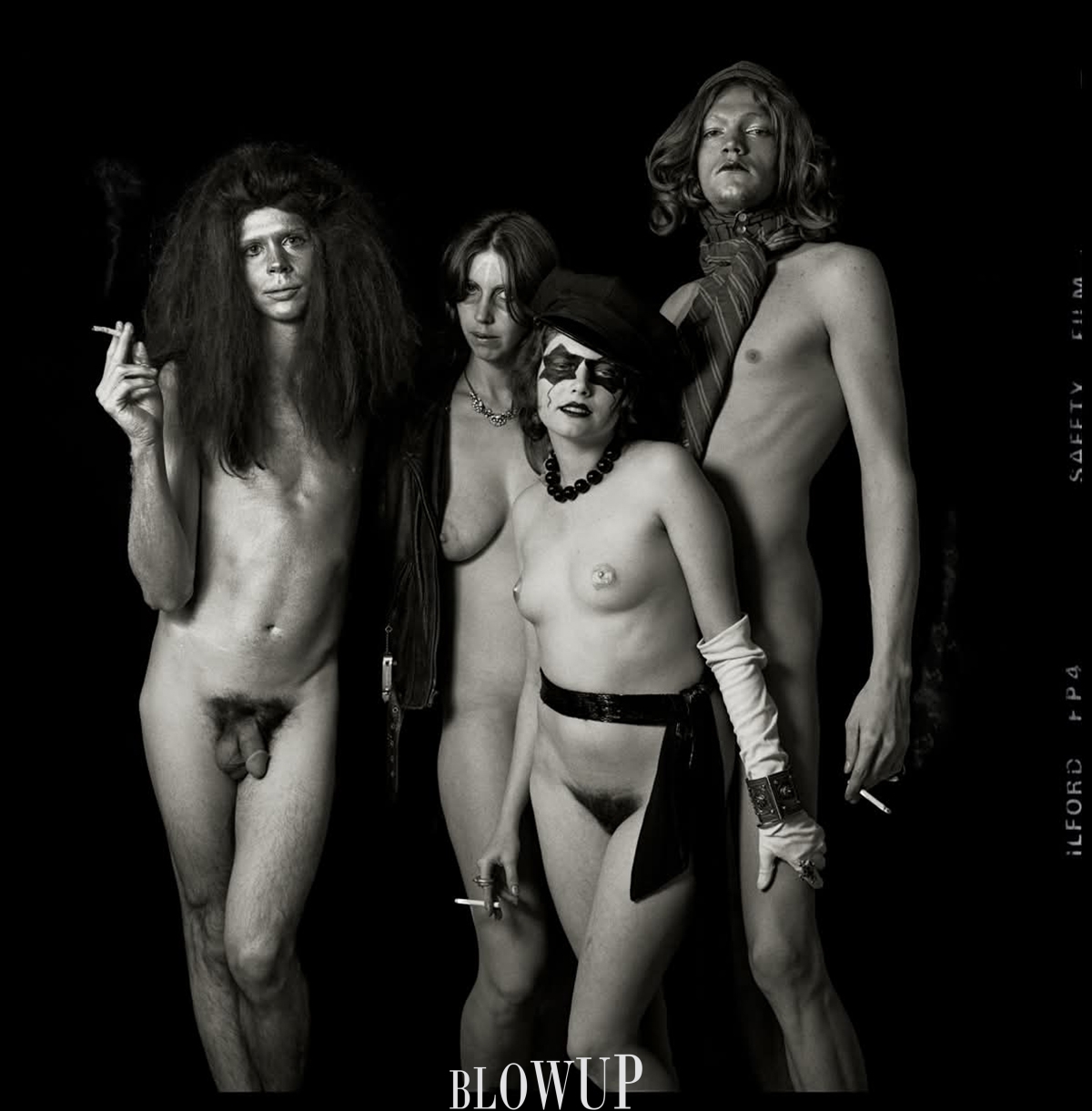
Censorship ran rampant then and is still a problem, at least online, even now. Genitals need to be censored and don’t even think of showing a penis. Back then even the Women’s groups boycotted my shows. They couldn’t see anything but the exploitive aspects of nude photographs. But from 1970-73 that eventually changed as photography gained more acceptance as fine art and women started seeing nudity as a way of freeing themselves from the social norms. My last big show at the University of Ky was sponsored but the local Women’s Lib group and included photos of many of the members. People were wakening up to the true art of photography and that nudity could be more than just sexual. Of course Americans have always been more puritanical in nature than most other countries and that showed in my exhibition list. Yes the main American mags (Popular Photography, Modern Photography and even Life Magazine) published some of my work, but the majority of my nudes were in European publications. On a side note, one of my worst brushes with censorship came when I sent a show to Japan and had most of it seized and destroyed in customs for being obscene. It would have been nice to know that pubic hair in a photograph was a “no no” and once agin, don’t be showing the penis. LOL!
What are the impulses makes you feel the desire of shooting? How does your approach change, if it changes, from animate to inanimate subjects? And how did it change in years?
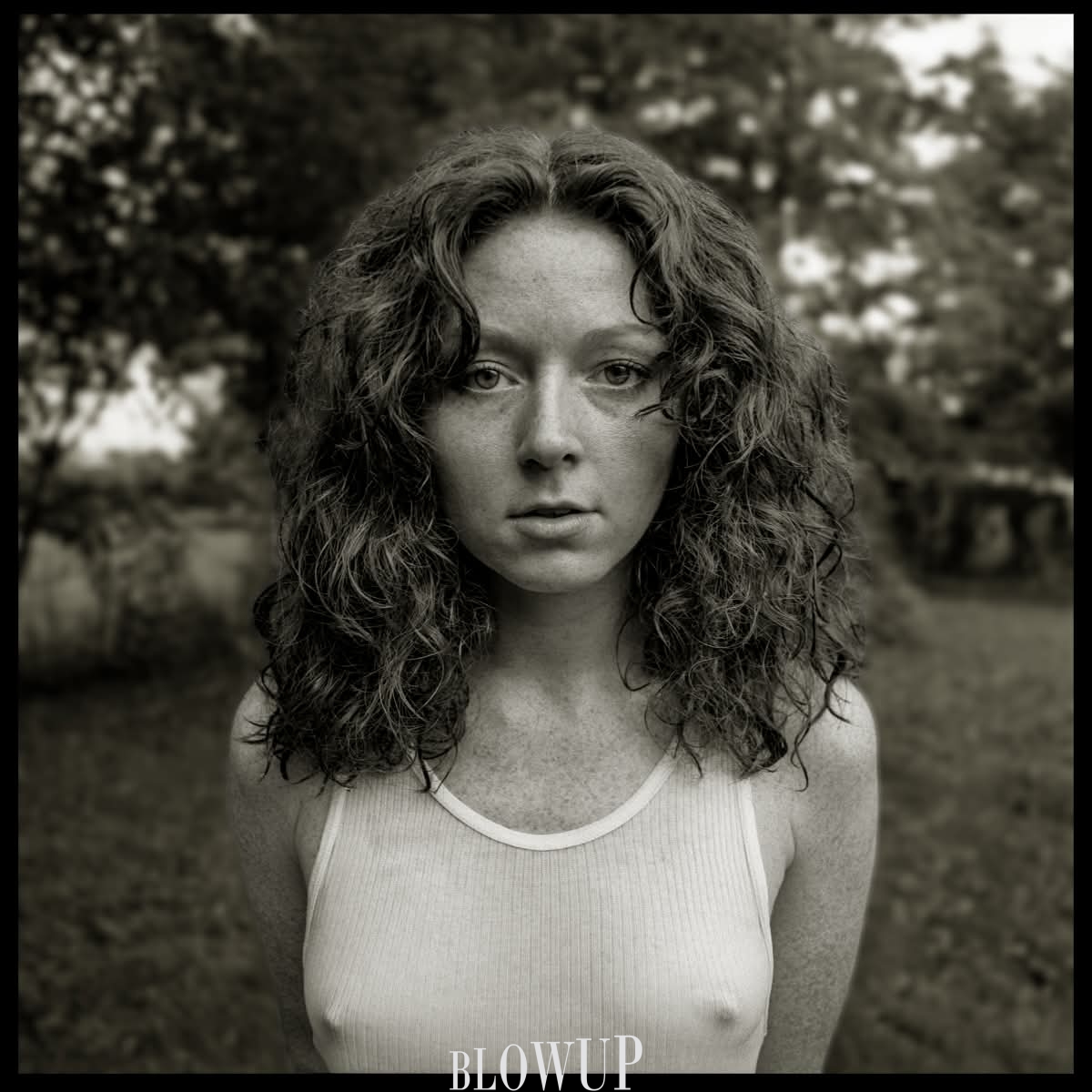
My desire to photography is driven by my need to express myself and to make my mark on the photography community. I say that all my photographs have a bit of self-portraiture to them. I TRY to reveal things about the subject but in the end I think I also revel a lot about myself, or at least my take on what is important about the subject, visually anyway. PS, the only “inanimate” subjects I do are landscape and buildings (part of my Human Condition work) and my approach to them is VERY different as I can’t pose them or even truly light them like I can with people.
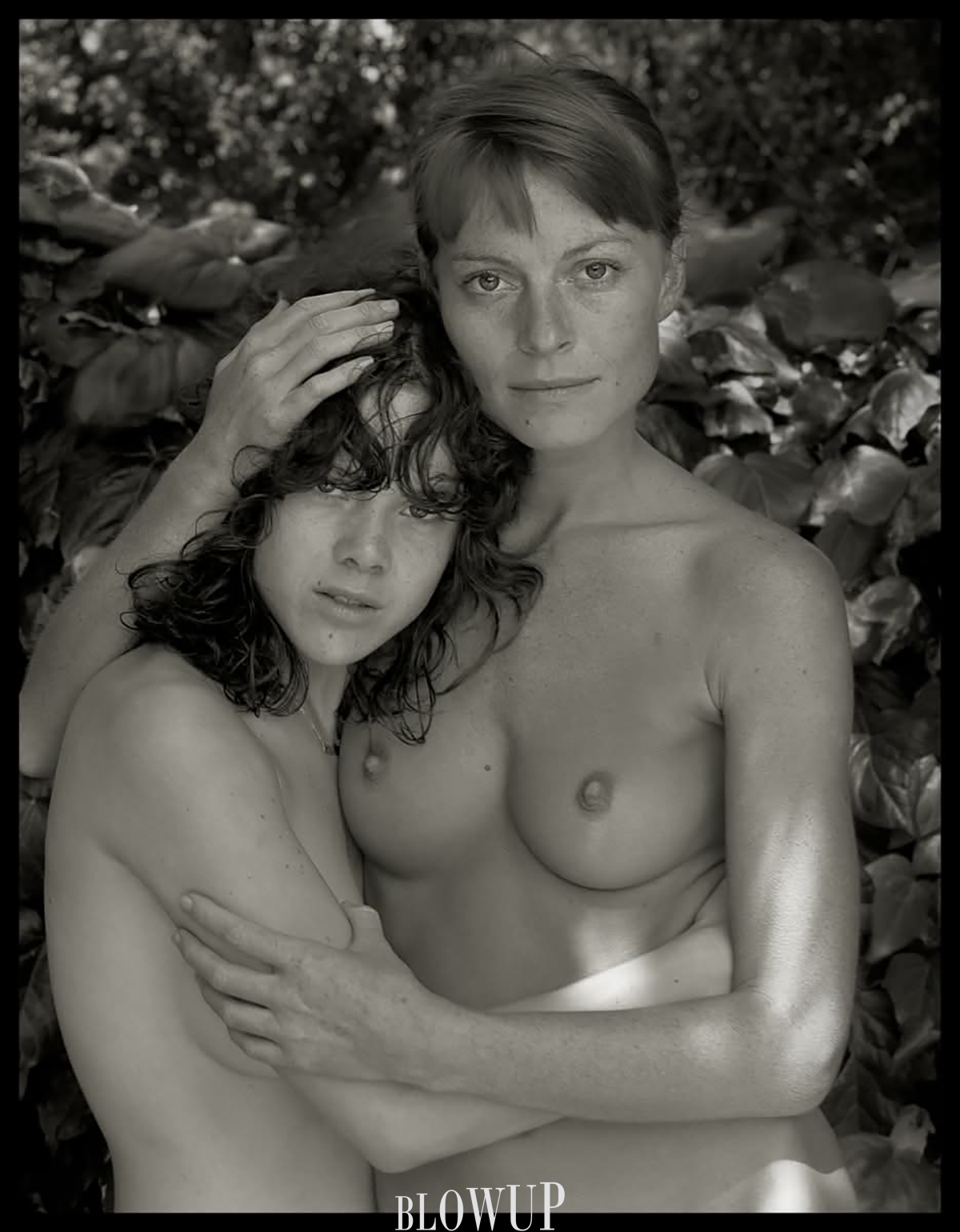
Talking about the genesis of your works, How do you select your subjects and locations? Their fusion, is your aim since the start of the idea behind your shooting or it comes by your instinct?
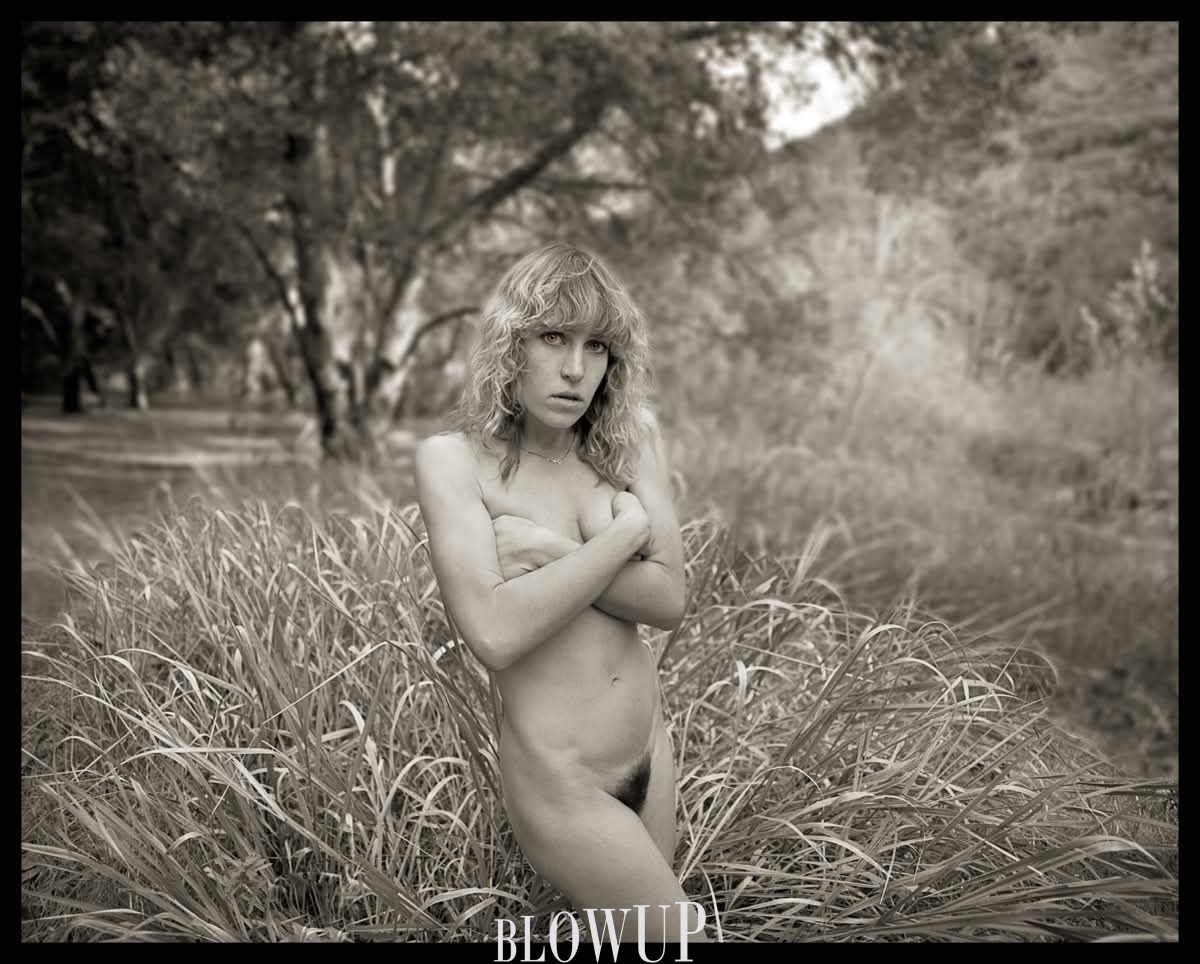
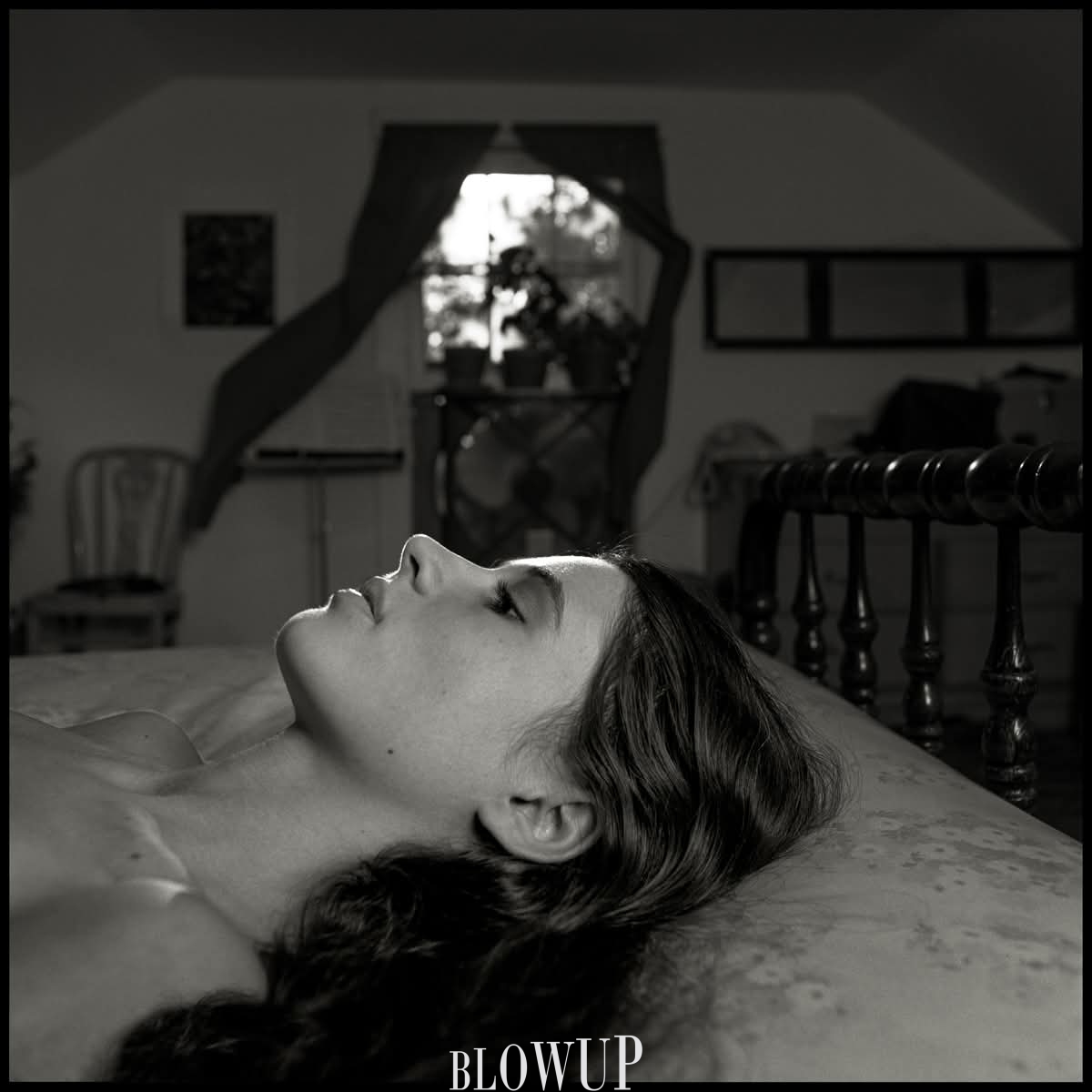
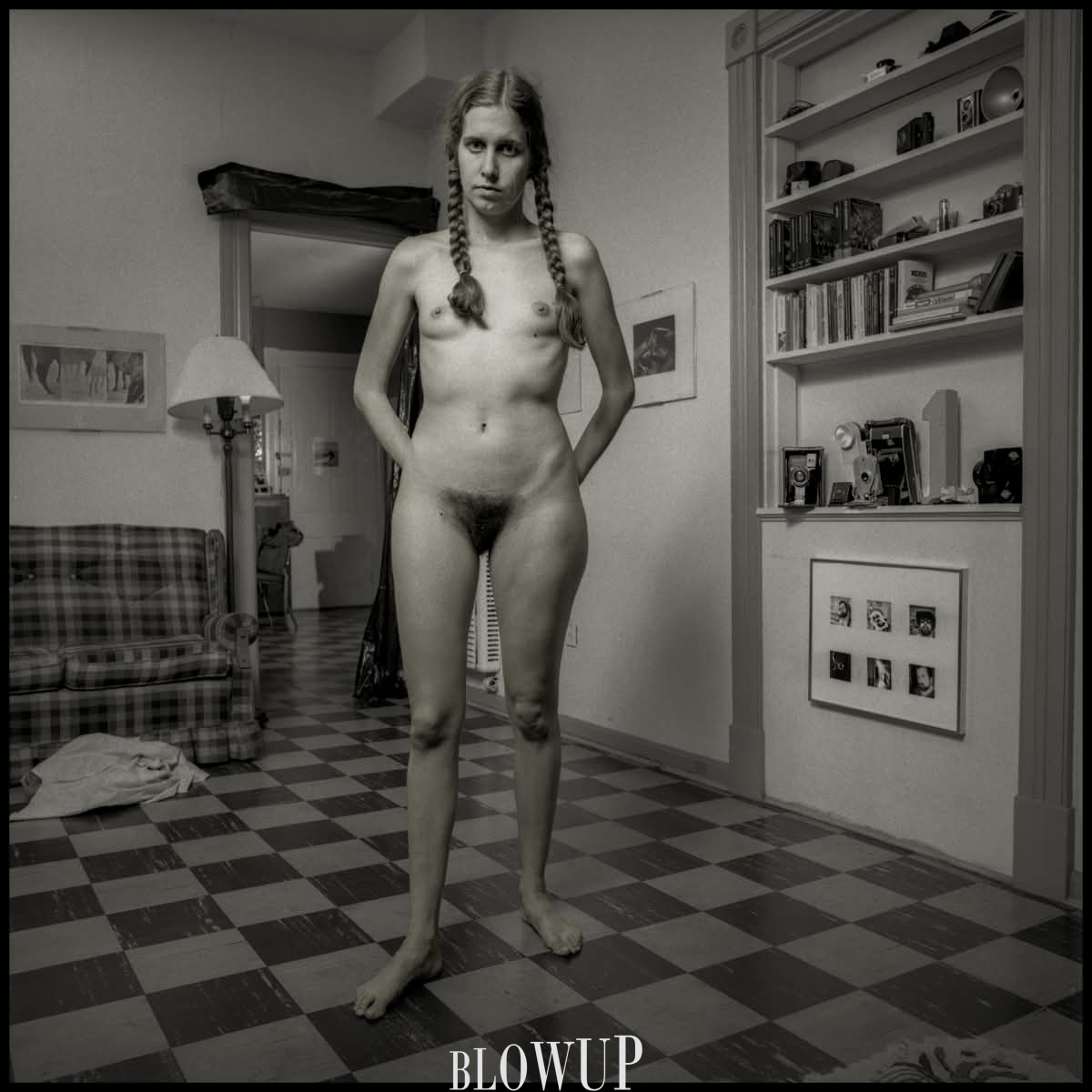
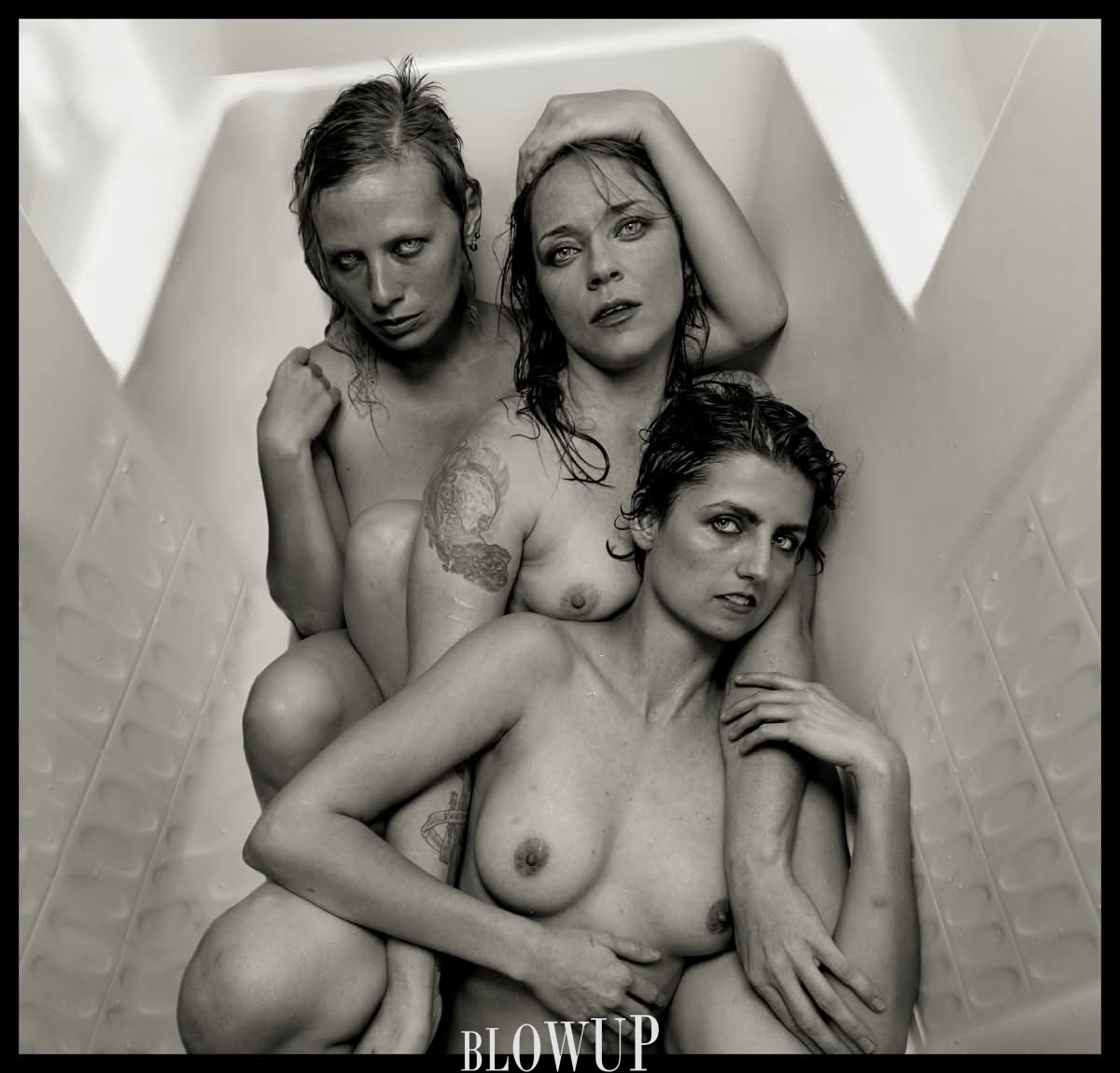
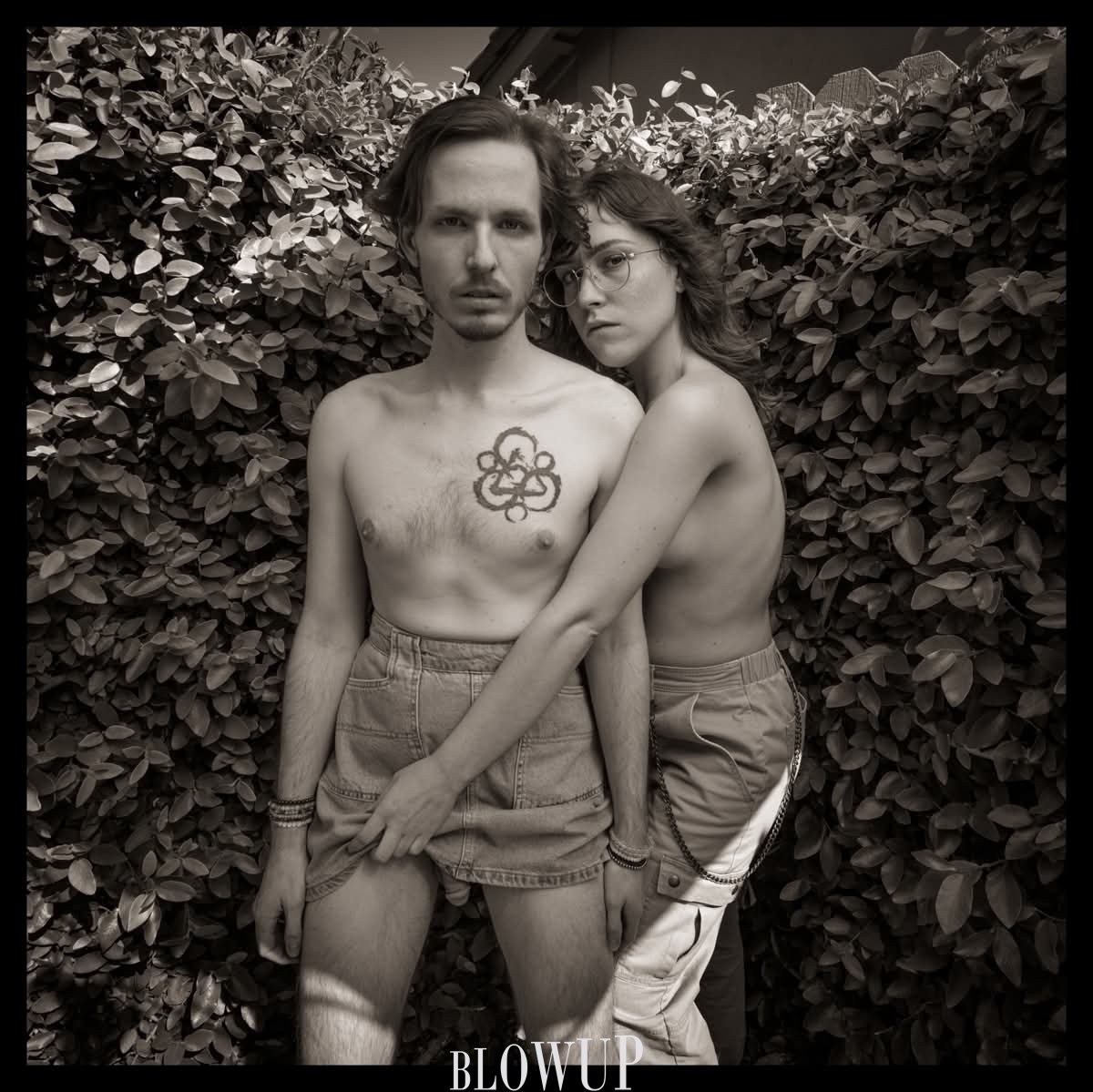
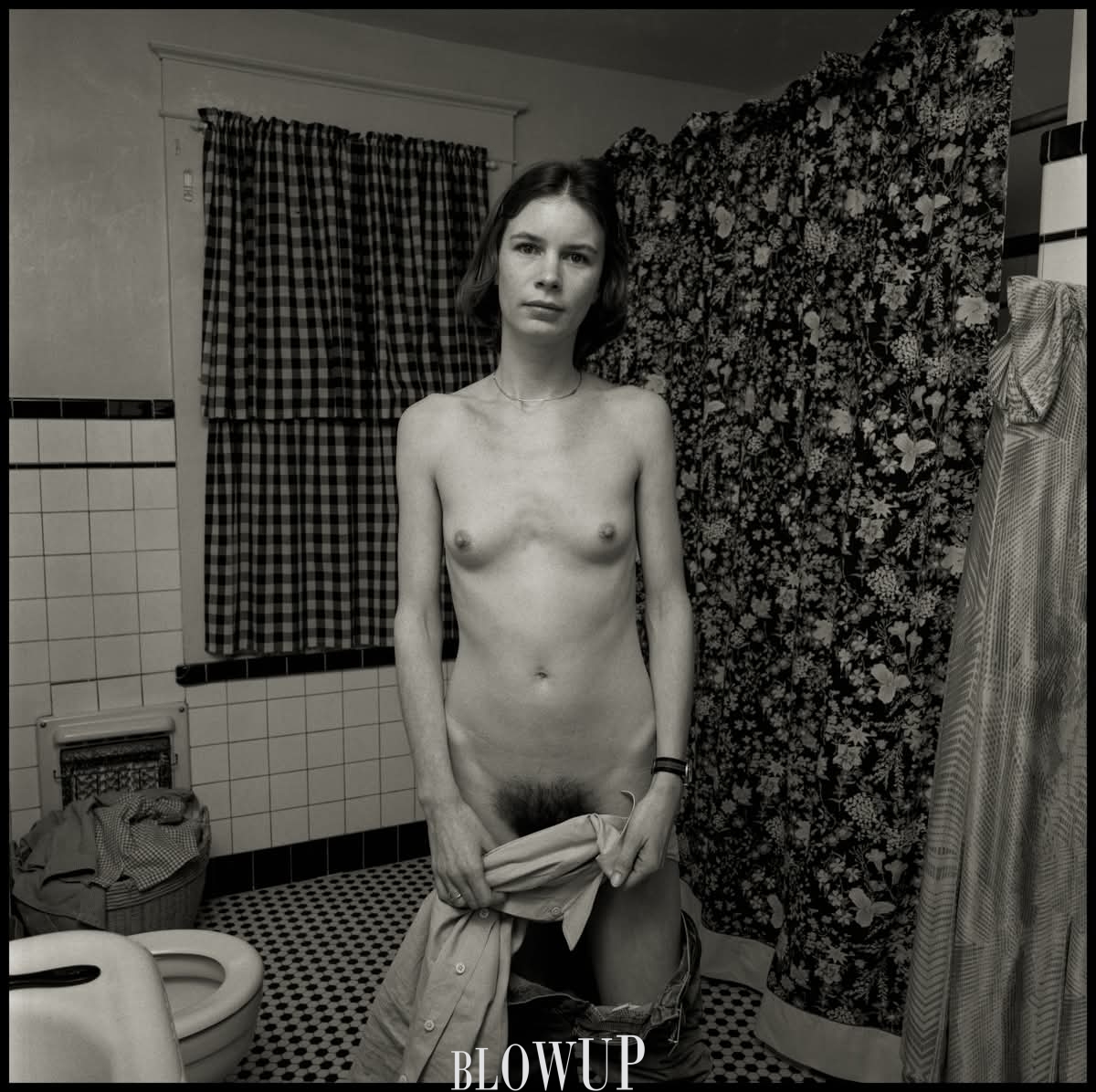
I “choose” my subjects at their one discretion. I ask and if they allow, I photograph them That holds true of my nudes and my Human Conditional work. It’s all by the generosity of the person in the photograph. I never pay models. I’ve found money to be a bad motivator for making art. I myself have ben paid for doing some of my most mediocre work in the commercial world. Also, money seems to add an element of control over the final product that I do not tolerate well. Looking at my work you will see the same people over and over. I feel the more I photograph someone the better the images get. The first step is to get them to agree, but then there is the breaking down of barriers, both social and artistic. And finally, building trust between us. This is what so many of my older images are of my lovers. The trust is already there and nudity is a foregone conclusion. We are both comfortable together. Next best are other artists because they too are looking to create something meaningful and using their body instead of their normal medium is just another fun challenge for them. I never pre determine what a session will be beyond being at a certain place at certain time and prepare to be nude. I explore, discover and reveal.
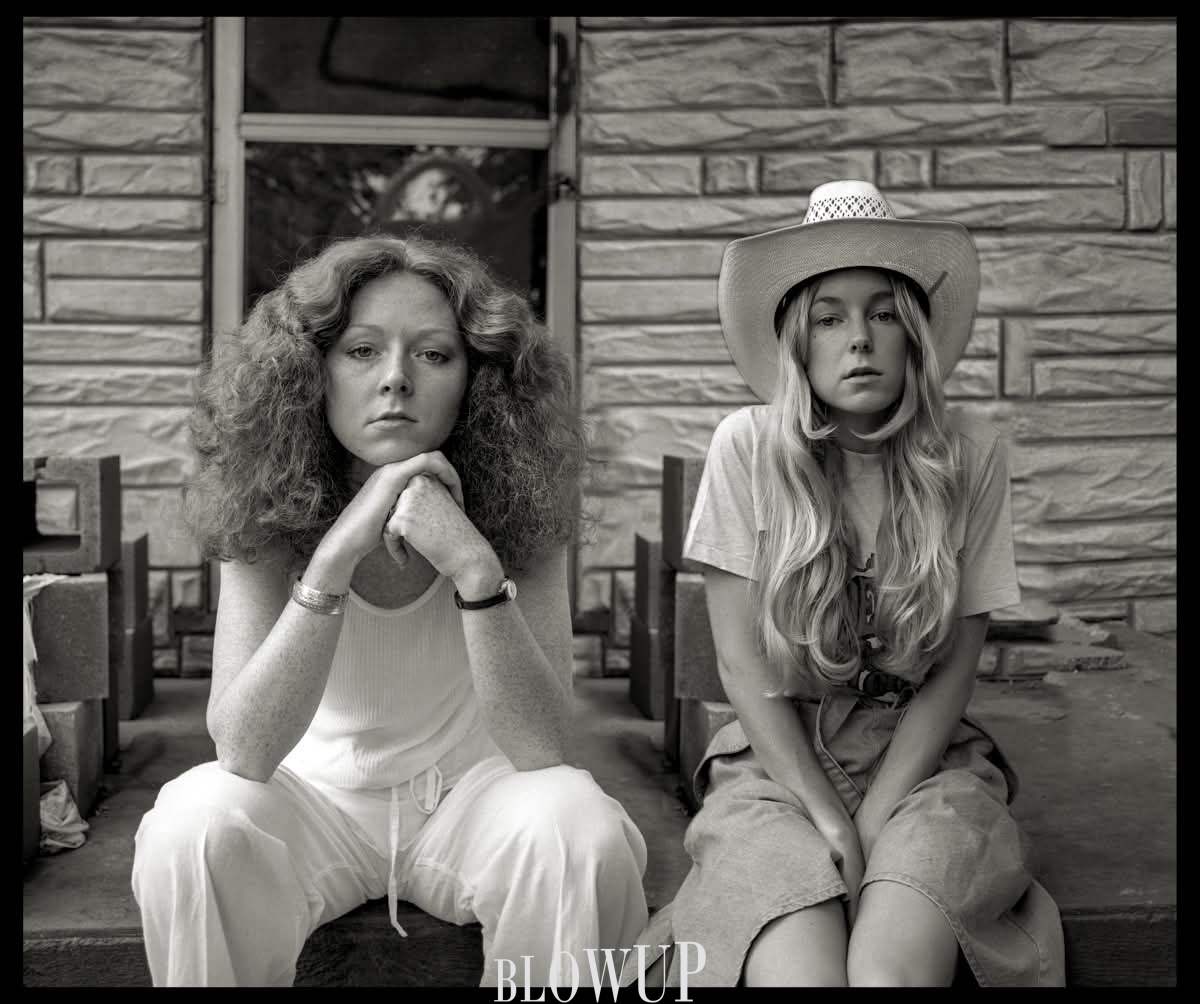
Nudity, especially female one, is a frequent theme in your art, would you like to explain what does it represent for you?
In the beginning, as a 15 year old boy, photography was just a way to meet pretty girls and get out of school early. But it became so much more once I hit college and got exposed to the work of photographers like Wynn Bullock (later a mentor of mine) and Edward Weston. My entire outlook on the photographic process changed. I even sought out less attractive people trying to kill the sexual aspect. Then I swung the other way shooting in bars and strip clubs showing art could be made there too. In the end I just shot people important to me and ones who were visually exciting. PS, I think clothes, hairstyles and make up date photos and hide the true person. My nudes for the 60’s still look relevant today and not just as a bit of history. The clothed images of the time get bogged down in the “look” of the period.
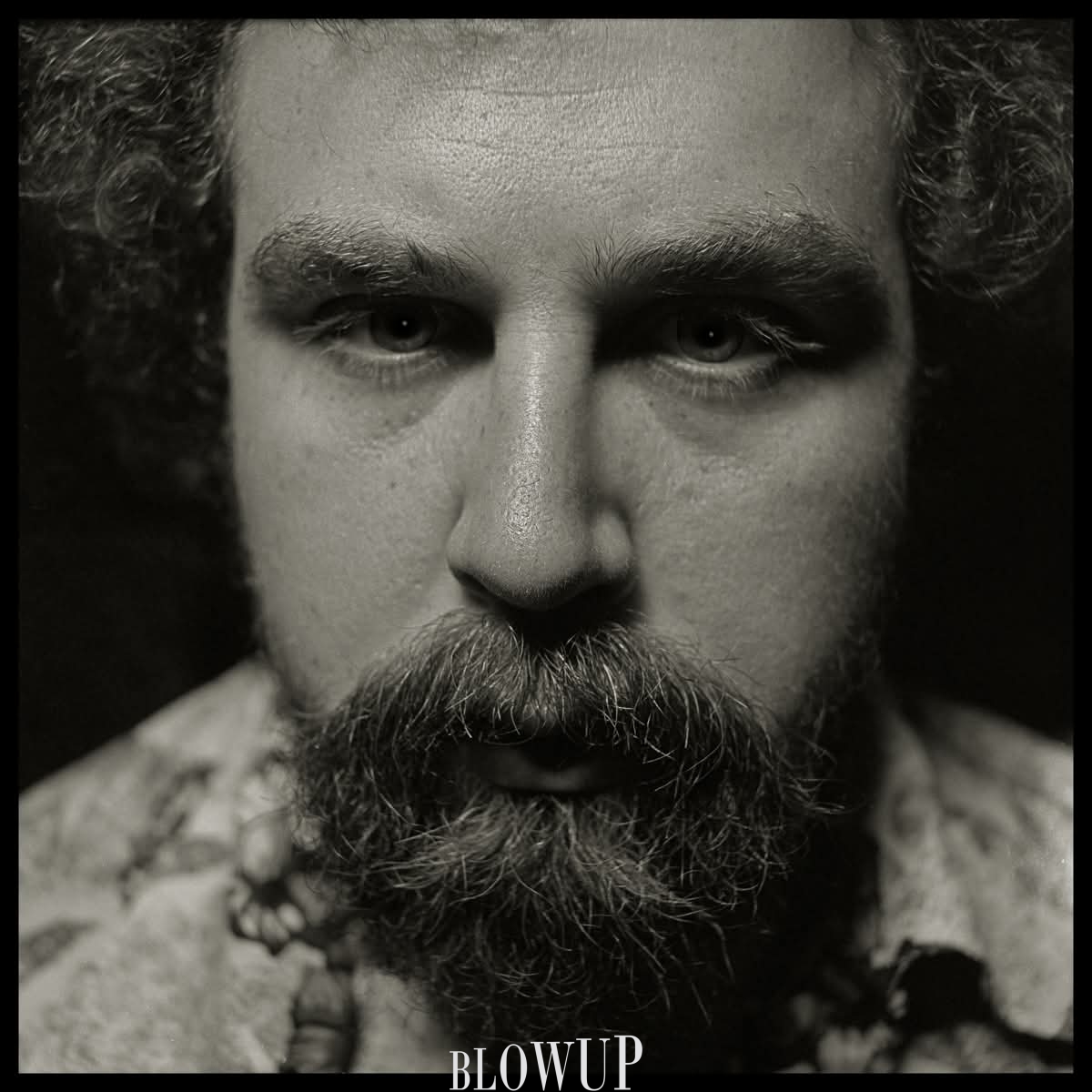
About your themes, would you like to talk about the others, I found on your photos powerful meanings bounded to human connections and legacy for example?
I sort of touched on this in another answer. I count on connections with my subjects to make strong images of them. Nature too.
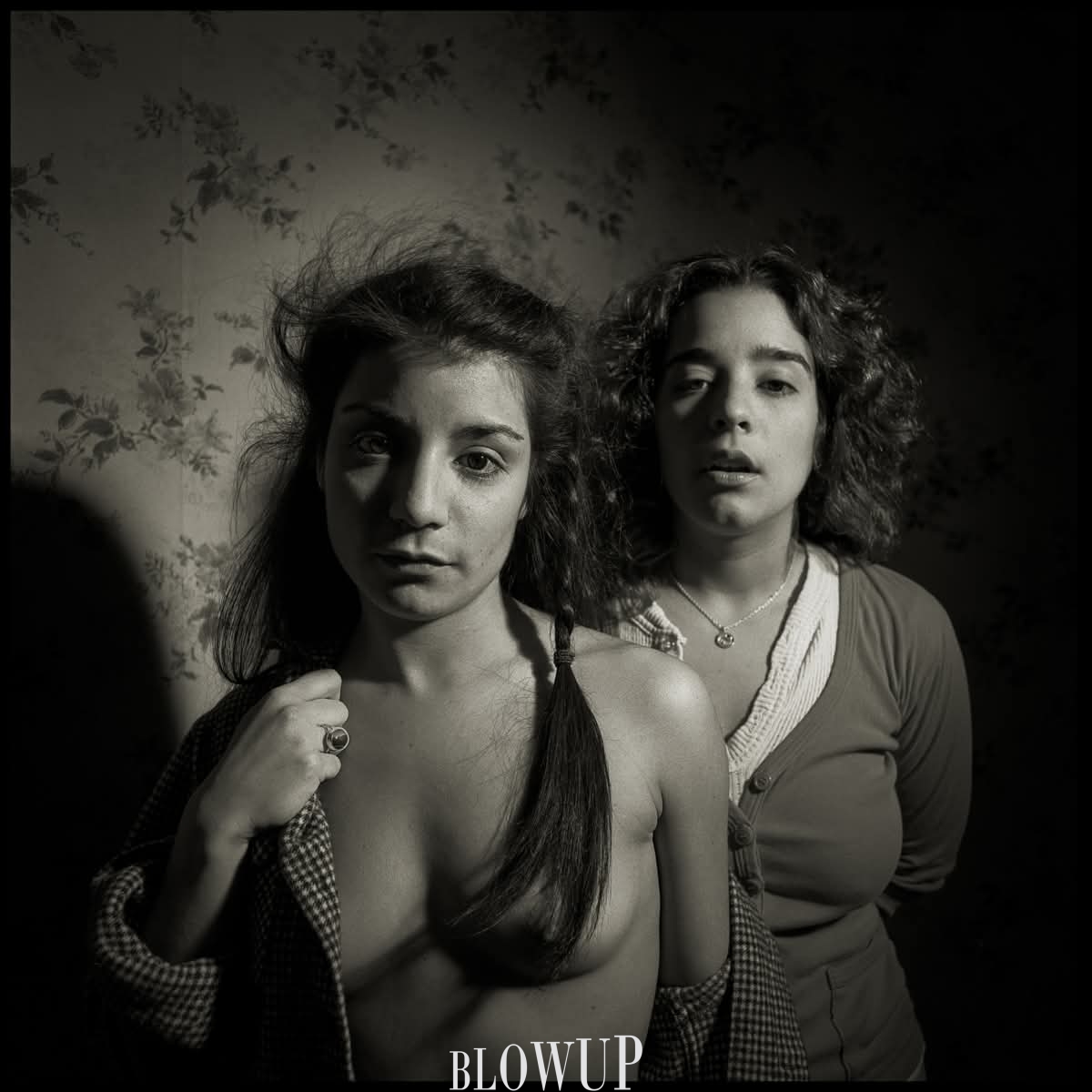
How did you start working on broadcast TV and films? Do you have any preferences about the media used to express yourself?
First off, there is little self expression in TV and Films. Creativity, yes. There is to much money on the line! But the aforementioned Psych classes come into play here. How to get people with the purse stings to give you want you need to do what you envision. And then convince the people involved in the project that it was their idea. But the reason I started in TV goes back to something else I mentioned above, that money is a poor motivator for making art. When it comes to the models, well, if they are just doing it mostly for money you will get some version of the same performance they have given before to others. If they really want the photos because they like you vision and are willing to give themselves over to your vision the images will come out much better. But alas, that doesn’t bring in enough money to pay the bills so I quickly learned I need another monetary stream and TV uses all the same tech fine art photography does so it seemed like a good fit. The other option involved teaching, which I have done a lot of, but there you are still governed by the whims of upper management and a lot of them are not artistically mined themselves. And I rarely got along with true academicians. So while many “famous” photographers since the beginning have walled themselves in the comfort of academics, I chooses to go a commercial route to make ends meet. I think it’s what kept the edge in my work.
Which are your influences? Do yo have some past artists inspiring you? And contemporary? Do you have other interests like cinema, books, comics or tv series? If so would you like to speak about some impressed you recently or in the past?
I do think my work is what it is because of the people portrayed in it, my two great mentors, Schley Cox (UK Professor and Photojournalist), Robert Heineken (UCLA art department chair/teacher), my second wife Betsy who almost who broke me emotionally and at the same time made me the photographer I have become, and looking at all the great works of the masters from the 60’s-80’s. Weston, Gowin, Bullock, Adams, Callahan, Arbus, I could go on. But in the end, it is the people who posed for me that differentiates me from the herd. Without them and the generous gift of their time I would still just be another guy with a camera.