

Carlo Rusca | interview by Francesco De Napoli
Carlo Rusca was born in Turin in 1989. He is a photographer and filmmaker based in Muralto, Switzerland. His work explores visual narratives through still and moving images and, since 2015, he has been teaching audiovisual sciences and photography in Lugano. In 2020 he published the book Turistica with Witty Books, after the work had been presented in exhibition contexts such as the PhotoVogue Festival in Milan, Paris Photo and the Aperture Foundation in New York. His images have been published internationally, with contributions in Vogue Italia and Zeit Magazin.
When did you realise that photography could become, for you, a means of personal expression?
I think it happened quite early, although not suddenly. I come from a family in which images, cinema, books and art were very present: my mother was passionate about art and photography, my father made videos. Then cinema arrived, which for me was fundamental. At a certain point I understood that this visual sensibility was not simply an interest, but a way of being in the world. After high school, although I enrolled in economics in Zurich, I left everything to follow that instinct and move towards cinema and the image. Photography became the place where this gaze could take on a more personal, more intimate form.
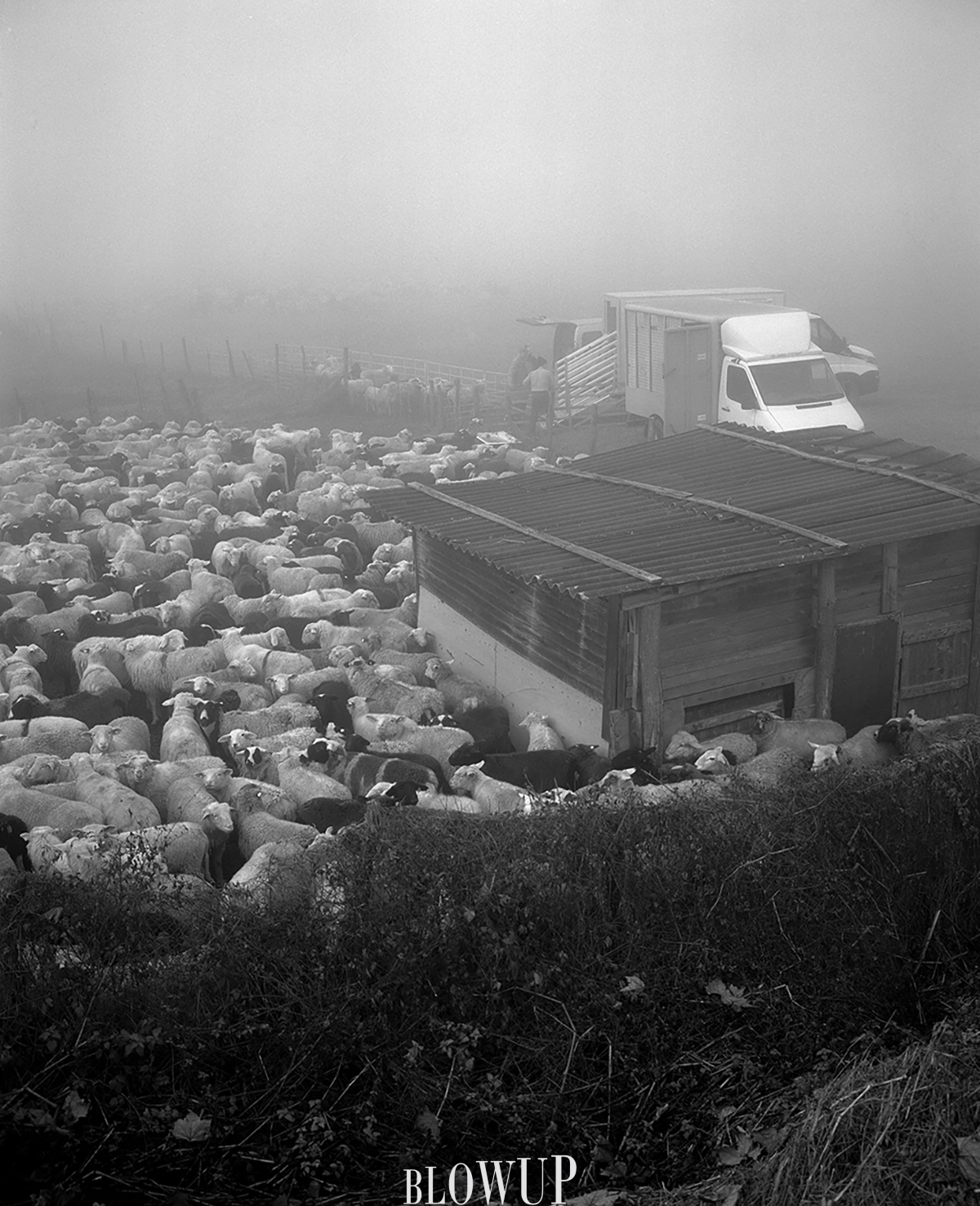
What does the use of film mean to you, given that it clearly affects both your modus operandi and your language?
For me, film has never been a nostalgic choice. It has above all been a rule, a useful limitation. It forced me to slow down, to focus on the subject, to choose more precisely what to photograph and why. In this sense it has shaped both a method and a language. I am interested in those moments when the medium is not neutral, when it truly enters into the way you look and construct an image. Film, at least in my path, has served precisely this purpose: to strip away the superfluous and to make every gesture more conscious.
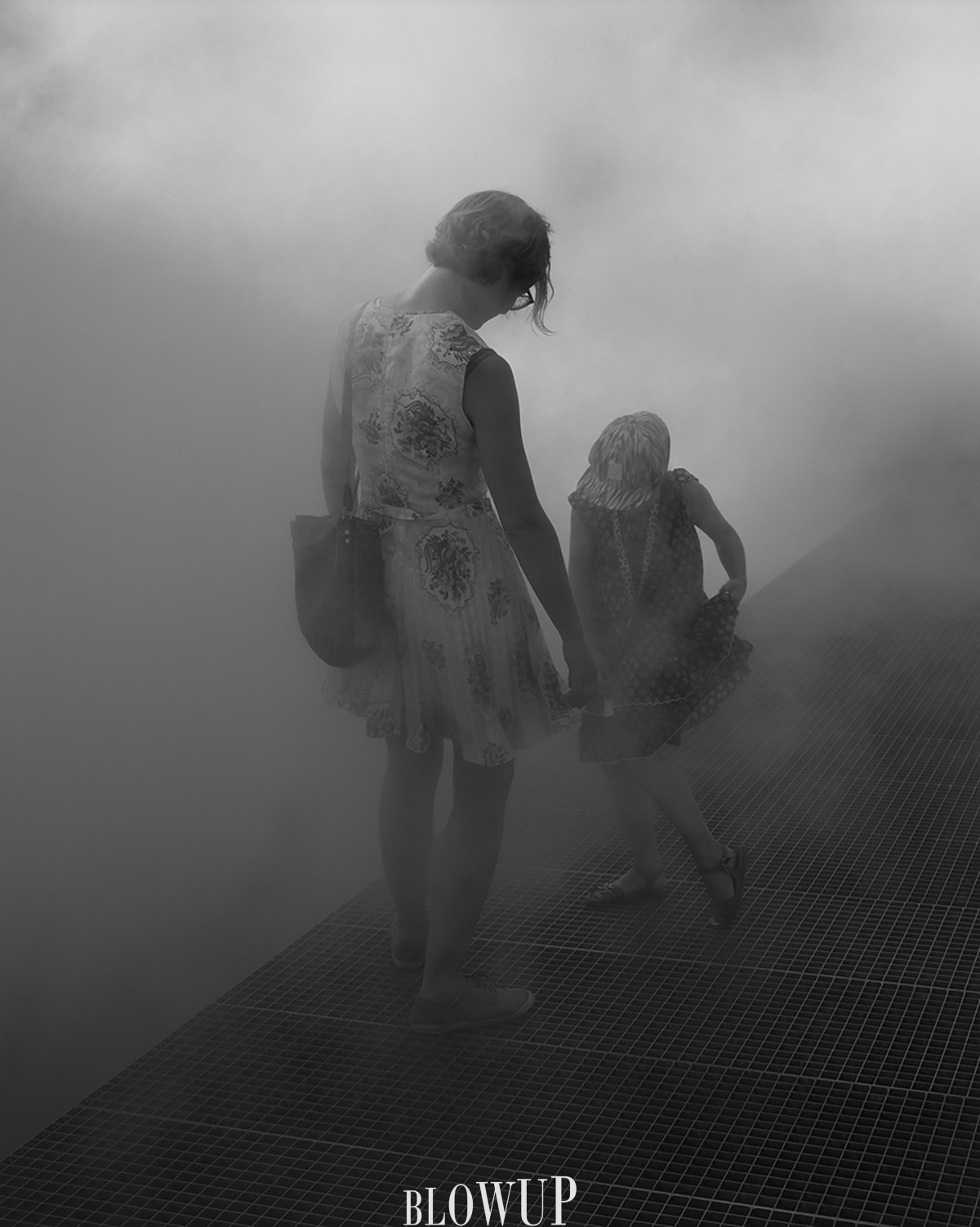
When did you realise that Turistica would become a project and later a book?
At the beginning Turistica did not emerge as a project in the full sense of the term. It arose almost as a personal necessity, like a visual diary of my nocturnal wanderings after returning to Locarno. It contained insomnia, a sense of estrangement, the need to rediscover a place I knew but no longer recognised. Then, at a certain point, the images began to demand a narrative form. That is when I understood that I was no longer simply photographing, but building a narrative. And probably, precisely because of my cinematic background, that narrative soon began to think of itself in sequence. From there, the move to the book was natural.
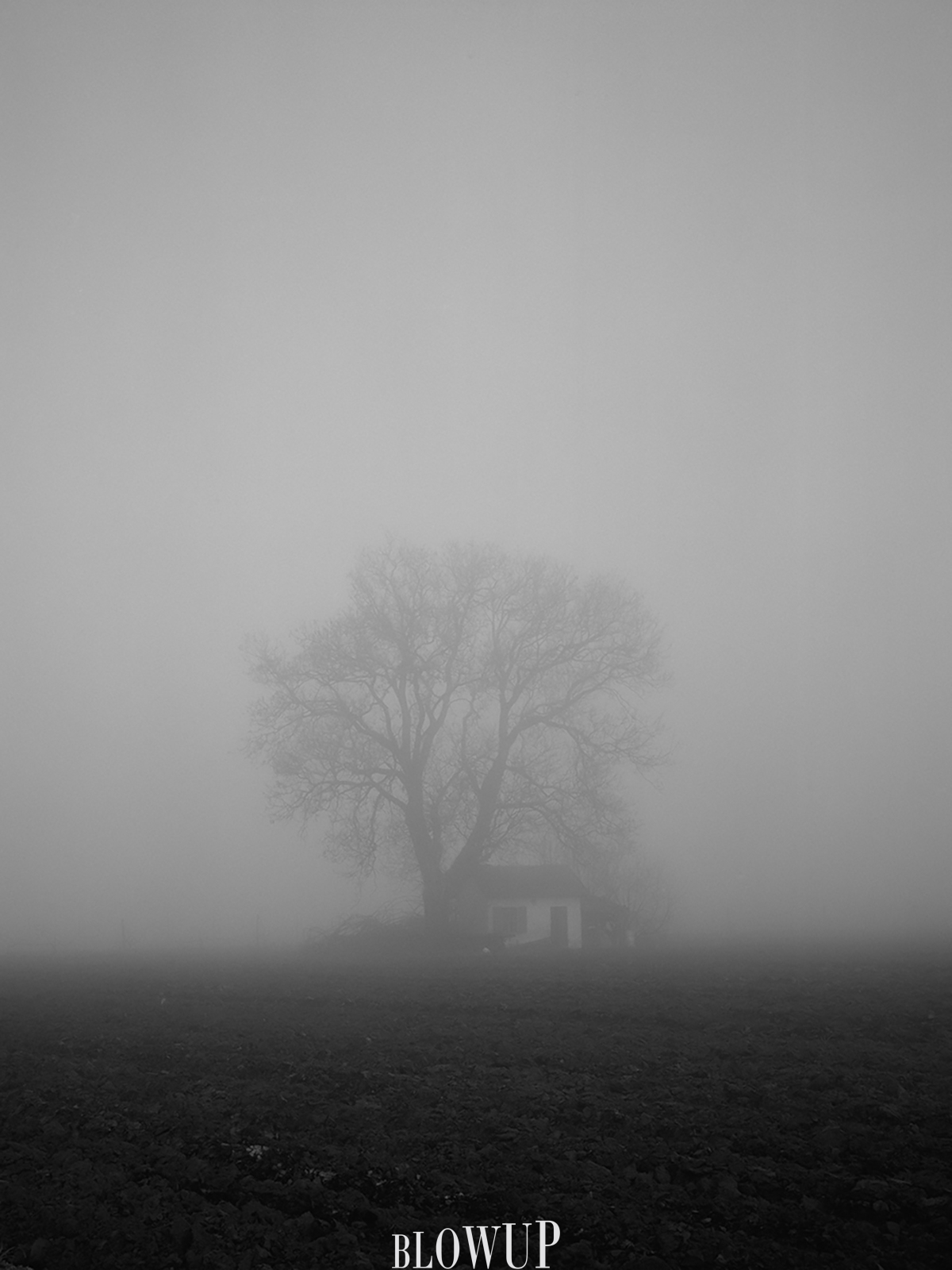
Do you think the book form is the one that best allows your work to be experienced?
Yes, for me the book is a very natural form, perhaps the most natural. I am very fond of photobooks because they create a particular intimacy between images and viewer. They allow for a guided narrative without being rigid: you can construct a rhythm, a progression, pauses, suspensions. In this sense I feel the book to be very close to cinema, because it works through succession, editing, and waiting. I do not believe it is the only possible form, but it is certainly the one in which my work often finds one of its most complete expressions.
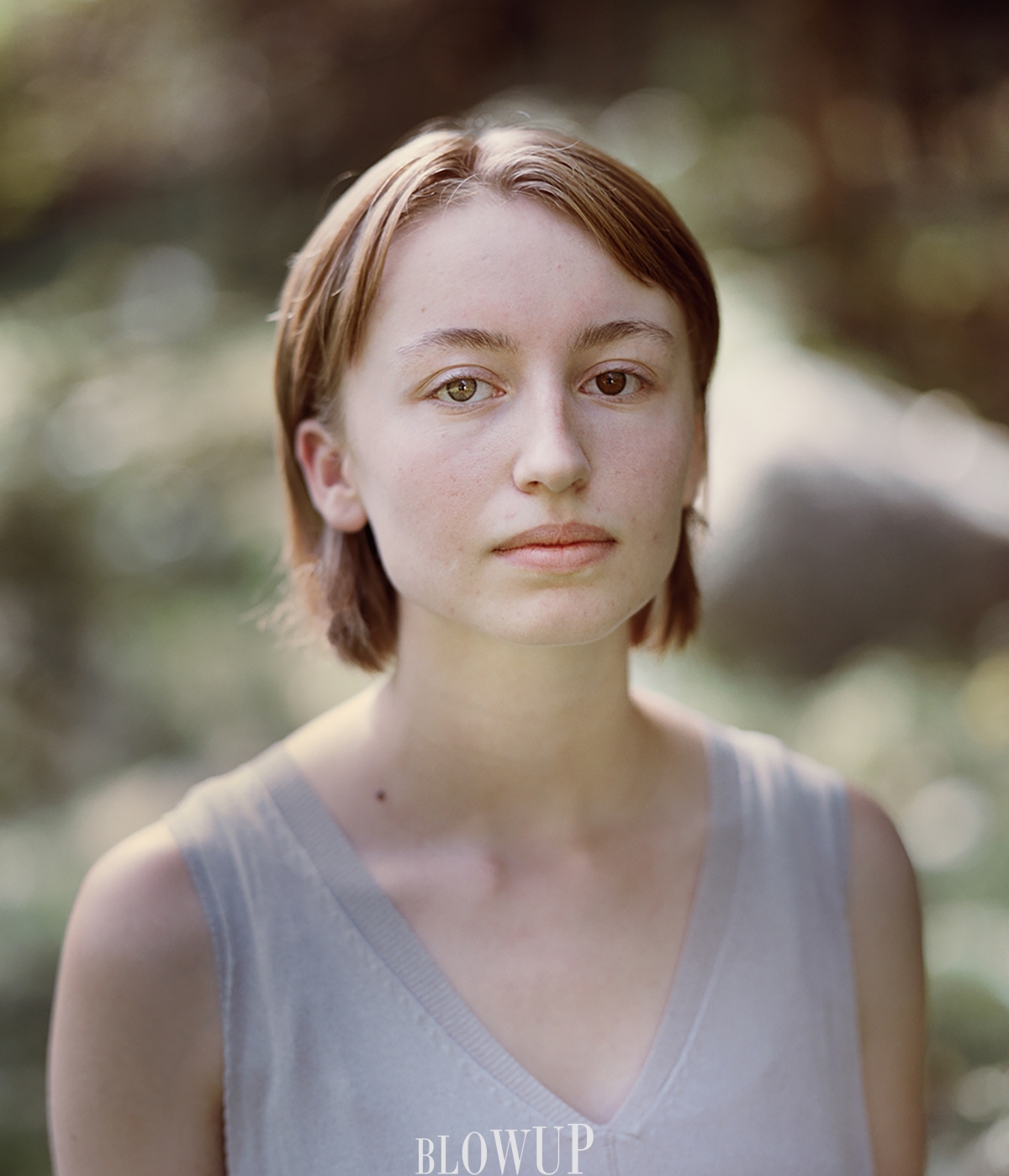
What does editing represent for you? Is it the most difficult part of the work, or, once the underlying emotional structure is clear, does it develop naturally?
Editing is a decisive phase, because it is there that you truly understand what you are doing. I would not say it is simply the most difficult part; rather, it is the part in which you must be most honest. If the emotional core of the work is clear, then many choices tend to impose themselves; however, this does not mean the process is easy. In Turistica, for example, the editing lasted months. There is always a tension between what an image is on its own and what it becomes in relation to others. It is a construction that is both highly intuitive and deeply demanding.
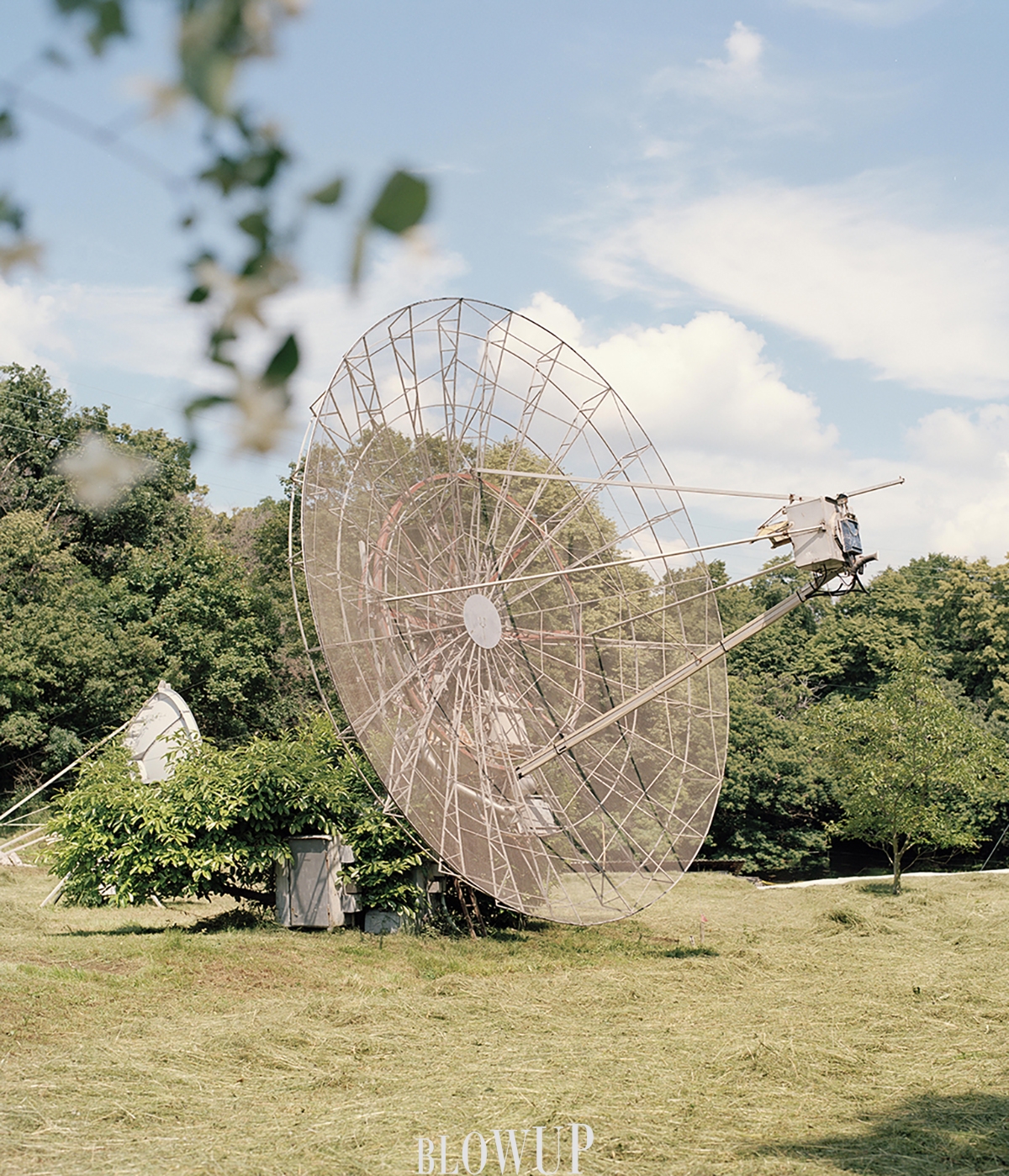
How did you move from black and white in Turistica to colour in 248-CH? Was it a natural choice, dictated by the subject?
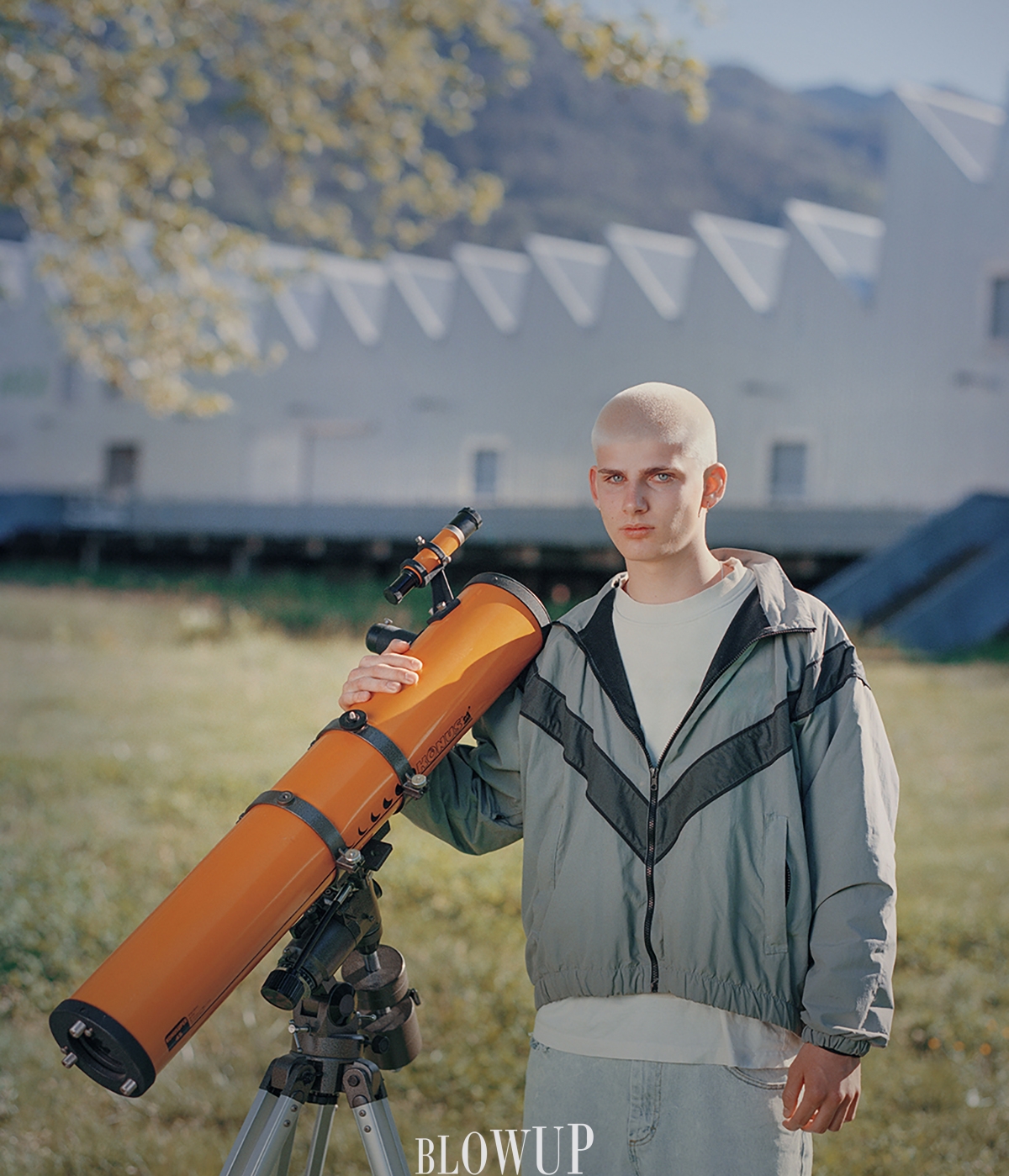
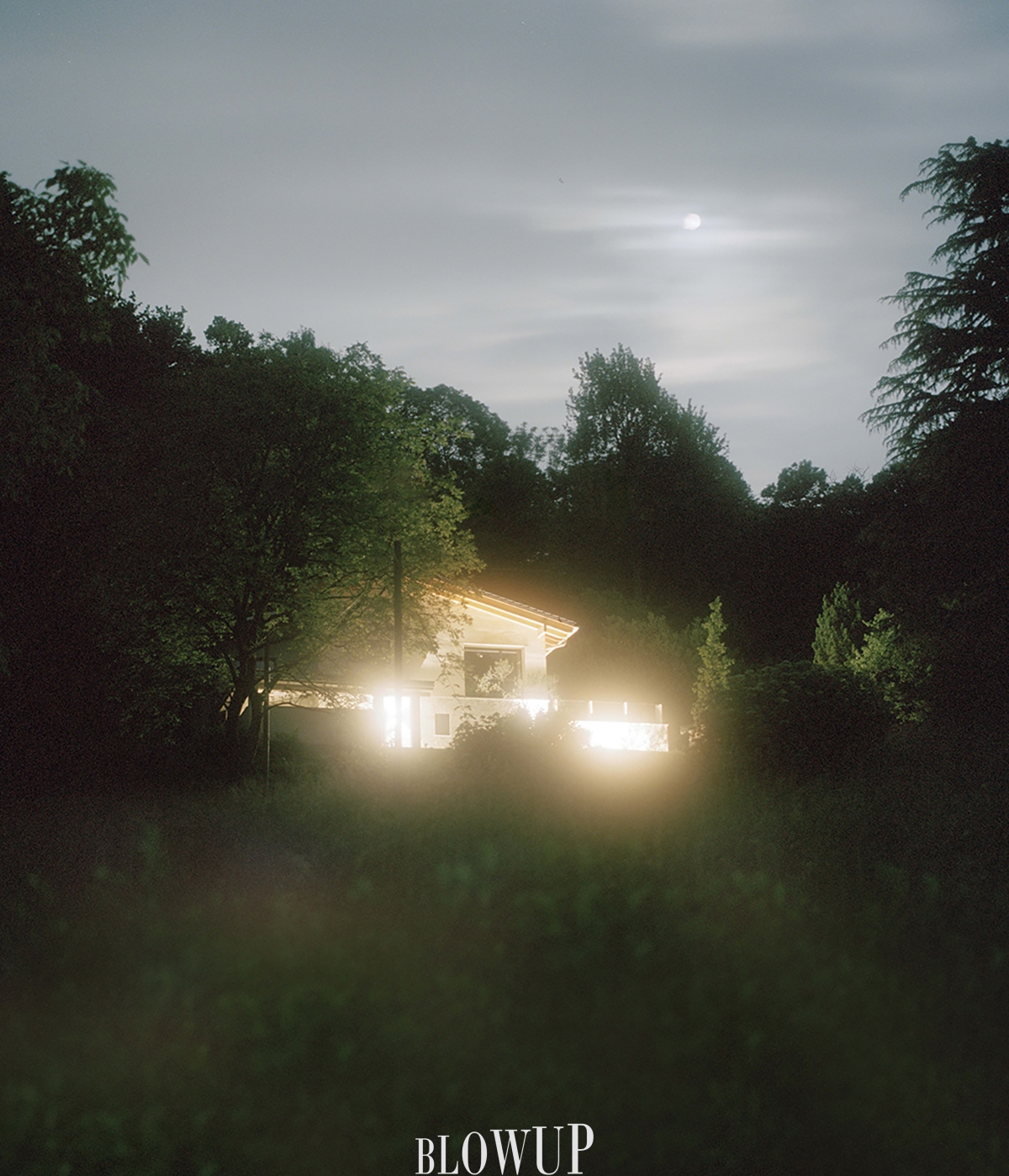
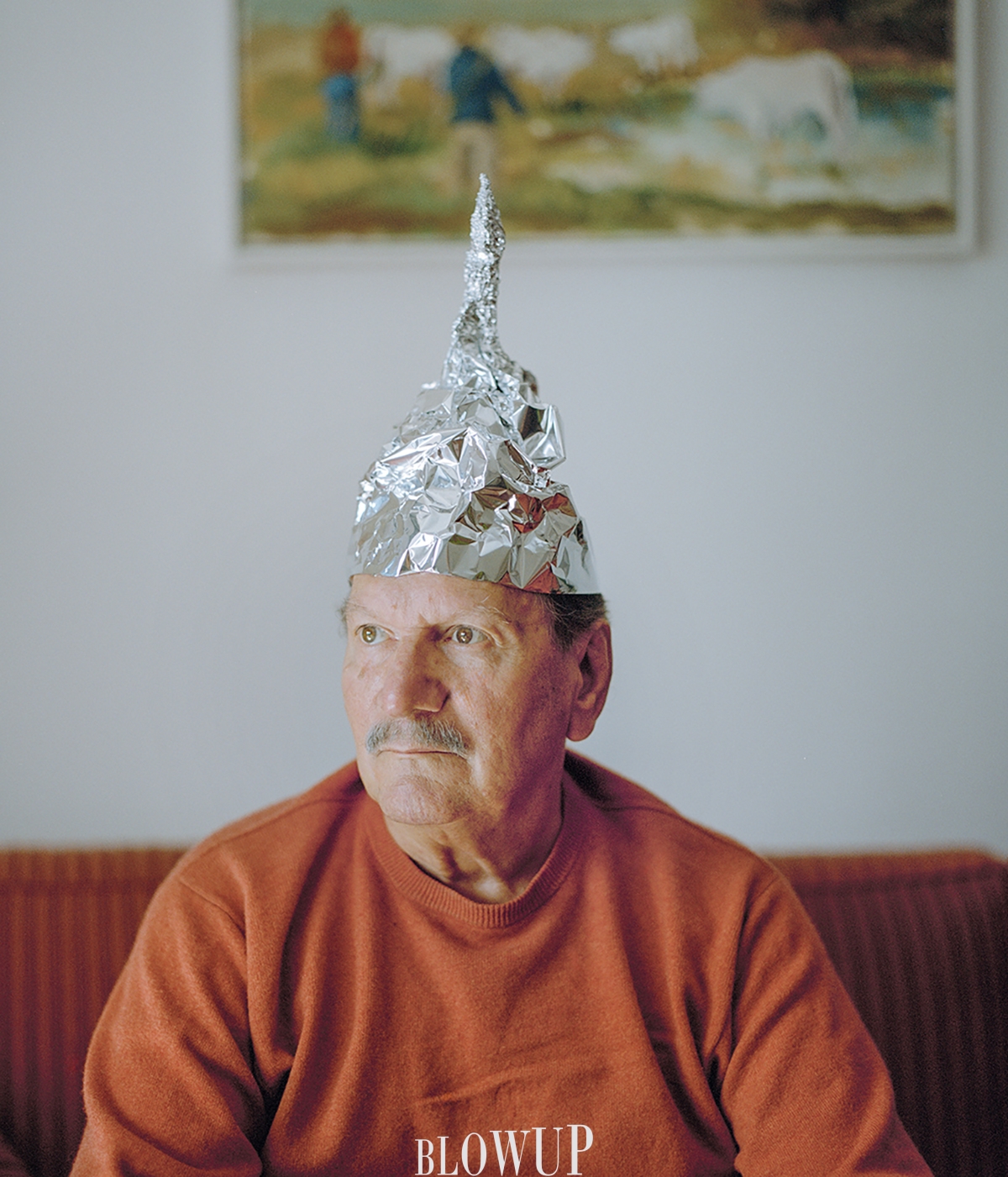
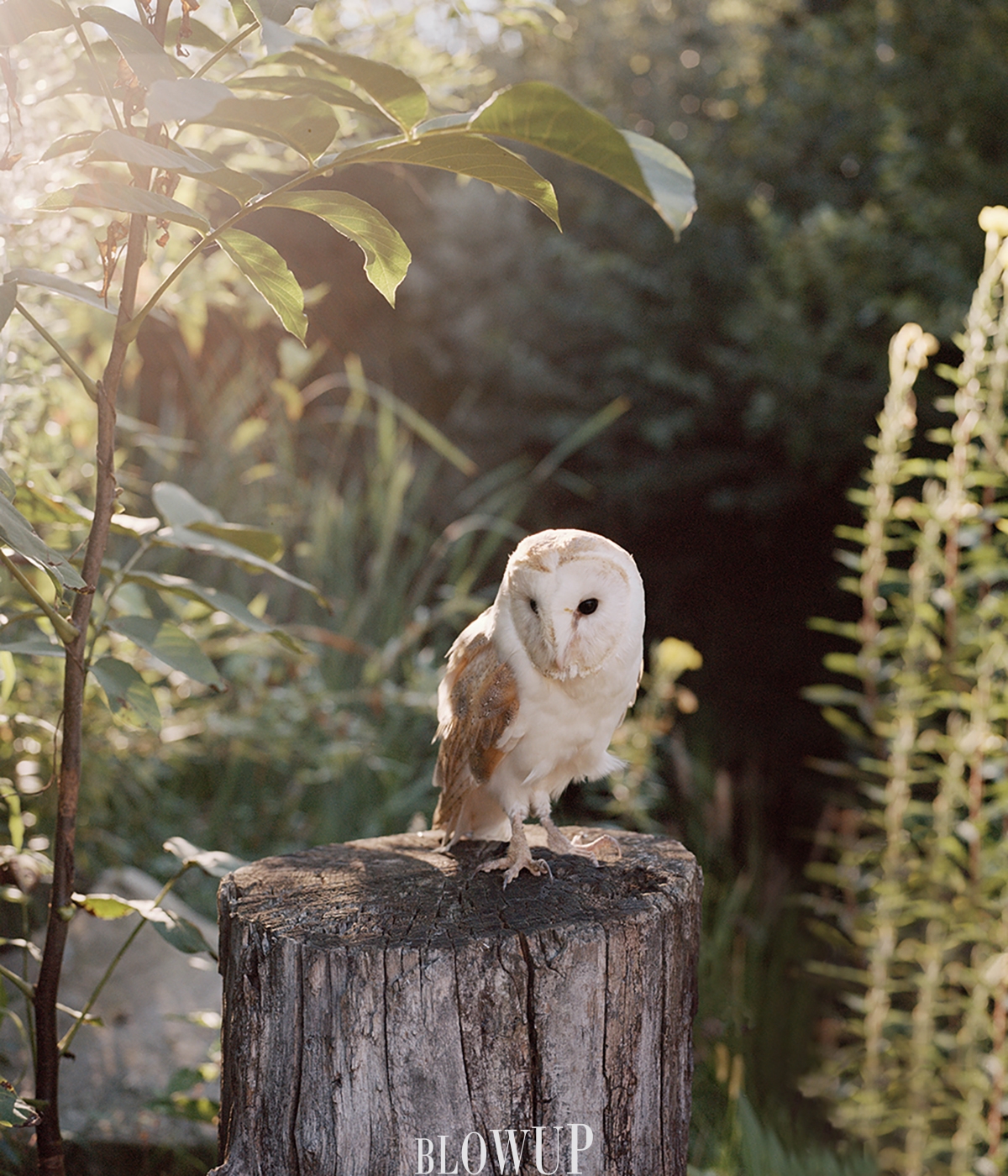
Yes, I see it as a natural choice, deeply tied to the subject. Turistica arose from a dimension of memory, suspension and waiting: black and white allowed me to push those images towards a more mental condition, rather than a descriptive one. 248-CH, on the other hand, begins from a different imagined field: lights, skies, unexplained phenomena, stories on the boundary between reportage, legend and science fiction. In that case colour was almost inevitable, because it opened up another kind of ambiguity and tension, less tied to memory and more to the possibility that something might actually be happening before our eyes. Even there I was not interested in documenting, but in constructing another reality.
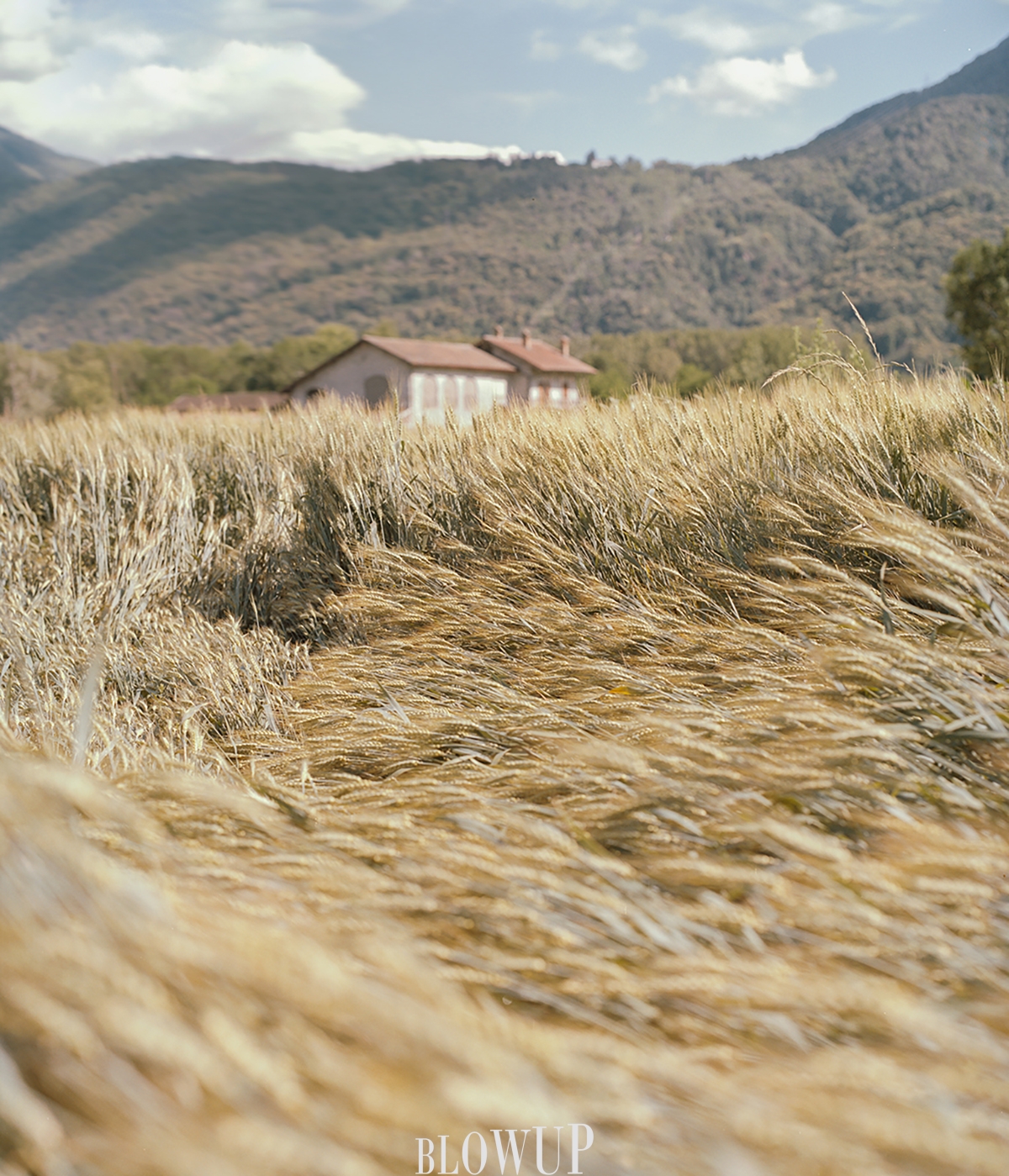
You have therefore embraced two different languages in your first two projects: do you think you will continue this evolution in a third project?
I hope so. I am interested in each project finding its own form, and therefore also its own language. I do not really believe in the idea of applying the same grammar to different subjects. I am more interested in understanding what the work demands: what distance, what atmosphere, what structure, what visual matter. In the past I have also worked with experimental images, with the body, with the invisible; so I think that a shift in language is quite organically part of my path.
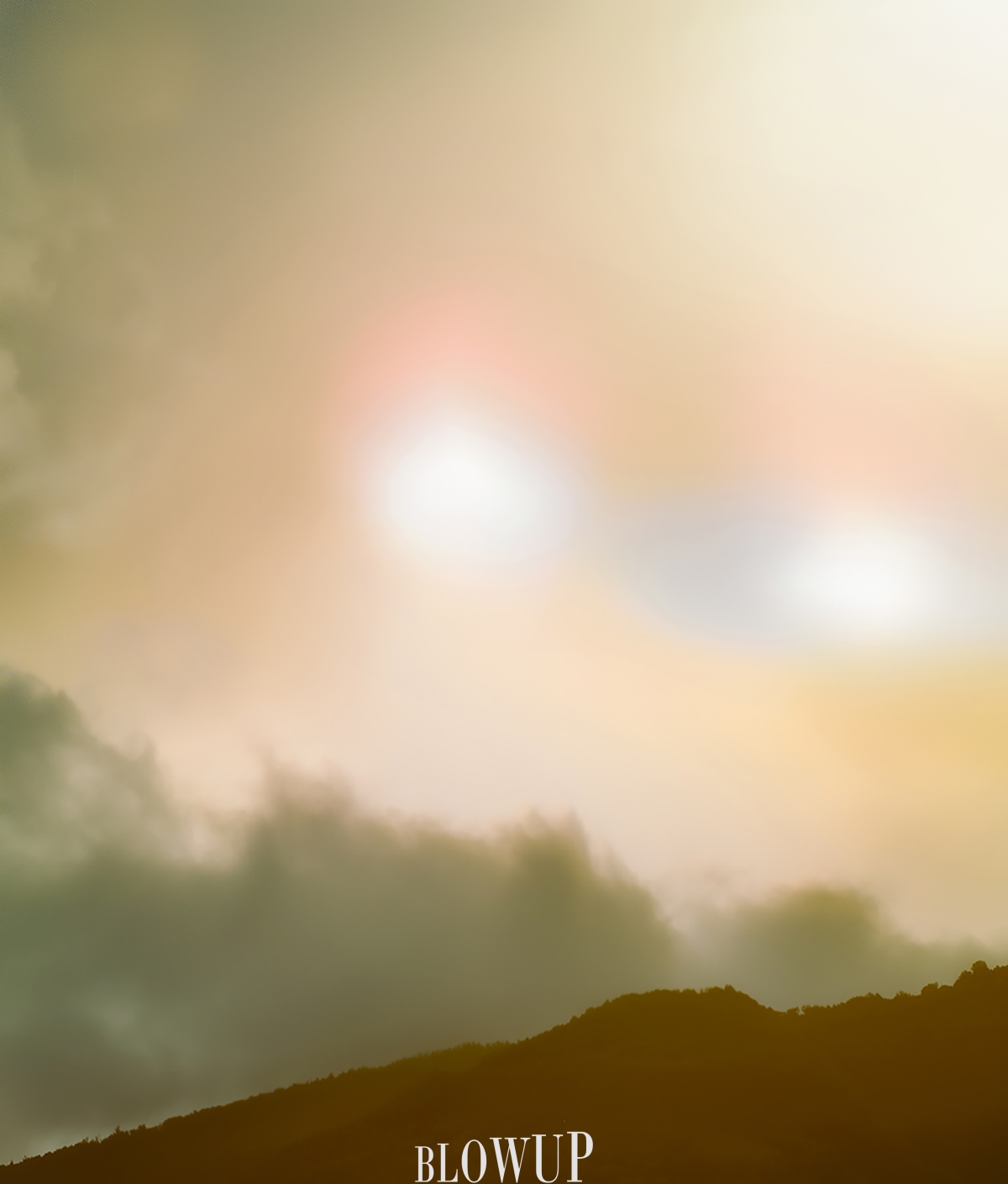
You moved from an ambiguity of the image in Turistica to an ambiguity of the subject in 248-CH. Do you recognise yourself in this?
Yes, I do. However, I do not think it is about wanting to make everything vague as a principle. I am more interested in working in that space where the image never exhausts its meaning. In Turistica this openness passed largely through atmosphere, night, the suspension of places. In 248-CH it passes instead through the subject itself, because UFOs, sightings and testimonies already exist from the outset in a zone of uncertainty. I am very interested in that threshold in which the viewer is compelled to question what they see, and also to question the ambiguous power of photography.
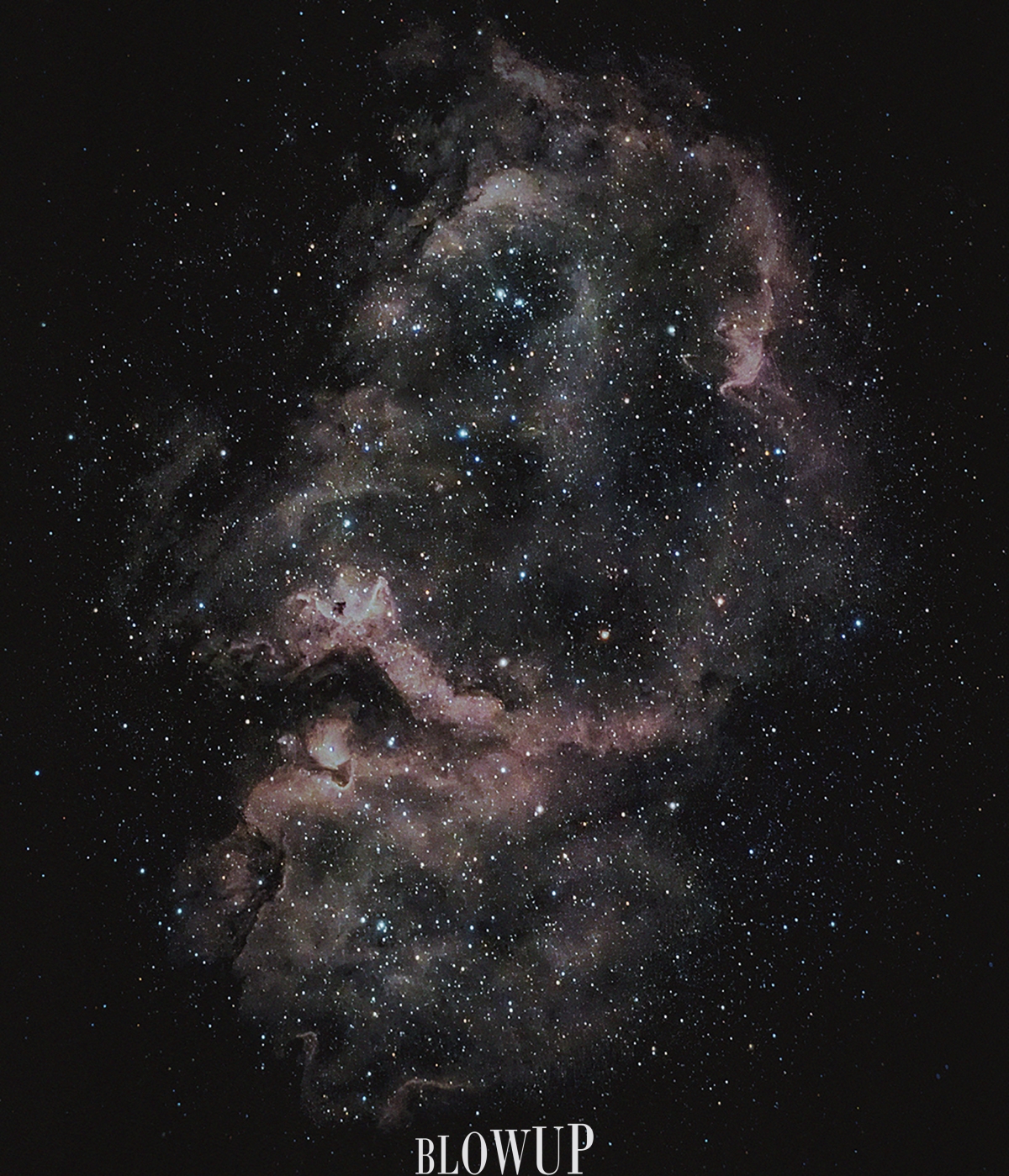
Looking at your photographs, it seems to me that you are an “absent” witness to your subjects. Do you think there is some truth in this?
Yes, partly. I do not believe in the objectivity of photography; on the contrary, I think every image is inevitably already a construction, and therefore in a certain sense a form of lie. However, I am interested in my intervention not being invasive, in the image not closing itself into an overly explicit explanation. I am interested in leaving space for the viewer, not to absolve myself of responsibility, but because I believe that the meaning of a work is truly completed only in the encounter with the viewer. Perhaps this is the form of my presence: to be very present in the way I construct the image, but not to impose a single reading.
I found this statement of yours online: “I always shoot thinking of the viewers.” Do you not think this partly conceals a risk?
Yes, the risk is always there. But it depends on what is meant. Thinking of the viewer, for me, does not mean pleasing them or simplifying the work. It means remembering that photography is also a relationship, a sharing, a transmission of perception. I construct images that I would like to be open, that place the viewer in a position to enter, to doubt, to imagine. The risk arises if one ends up chasing a reaction; whereas for me it is rather about creating a space of experience.
Have you ever gone through moments of crisis or uncertainty in your work? If so, how did you overcome them?
Yes, I think it is inevitable. Turistica itself arises from a condition of personal unease: returning home and the feeling of being stuck. In that case photography was almost therapeutic at the beginning, a way of going through that moment rather than avoiding it. More generally, I think crises should be listened to: they often tell you that the work is seeking a more precise form, or that you yourself need to shift your position in relation to what you are doing. I do not really believe in immediate solutions; I believe more in the continuity of looking, of walking, of allowing images to mature.
I see that you use Instagram sparingly. What do you think about how photography is experienced today?
I think the widespread diffusion of photography has both positive and problematic aspects. On the one hand, it makes images more accessible, more widely circulated, more democratic. On the other, it risks flattening them into a very rapid, distracted mode of consumption, entirely based on immediacy. I remain very attached to slower forms of viewing – the book, the exhibition, the sequence – because that is where images truly breathe. I do not demonise social media, but I believe that for certain works they are inevitably a partial space.
As we part, would you like to add a personal thought on the possible evolution of photography in the coming years?
I think photography will increasingly continue to oscillate between testimony and construction, between document and fiction, and that this very tension will become more and more central. This is what interests me: not the idea of using photography to certify reality, but to use it to question our relationship with reality, with memory, with what is visible and what escapes. Perhaps in the coming years it will matter more and more not only to know how to make images, but to know how to construct visual frameworks, worlds, imaginaries. And that is where, in my view, photography will remain alive.