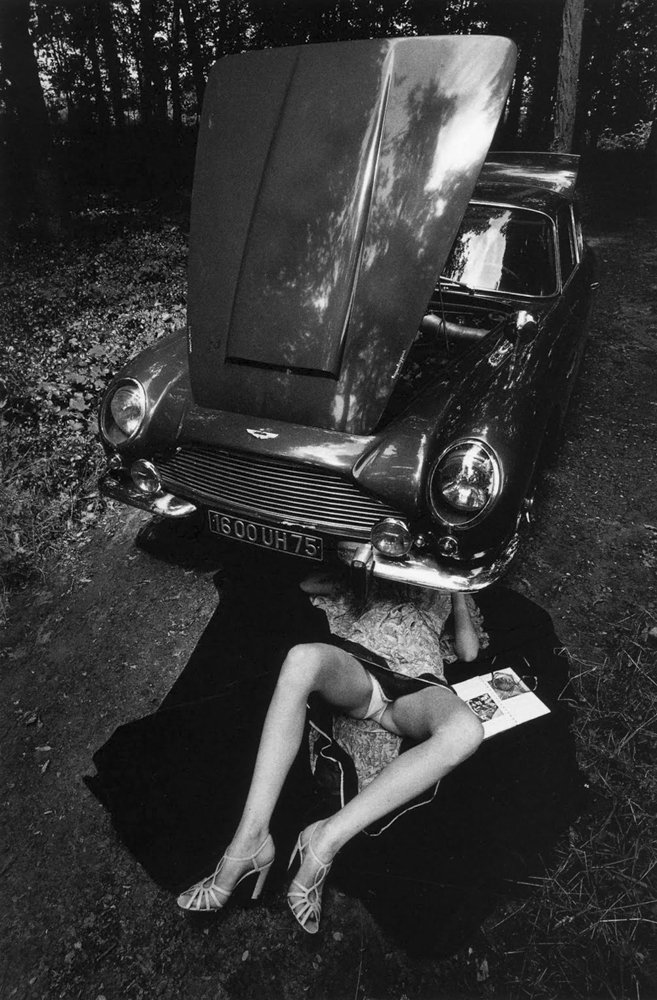

words: Francesco De Napoli
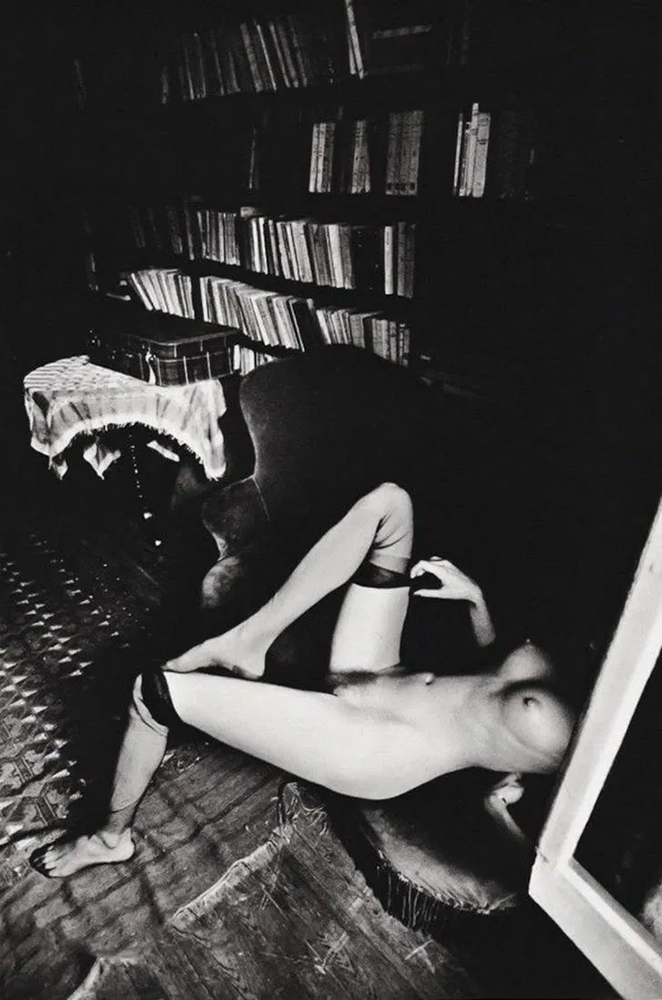
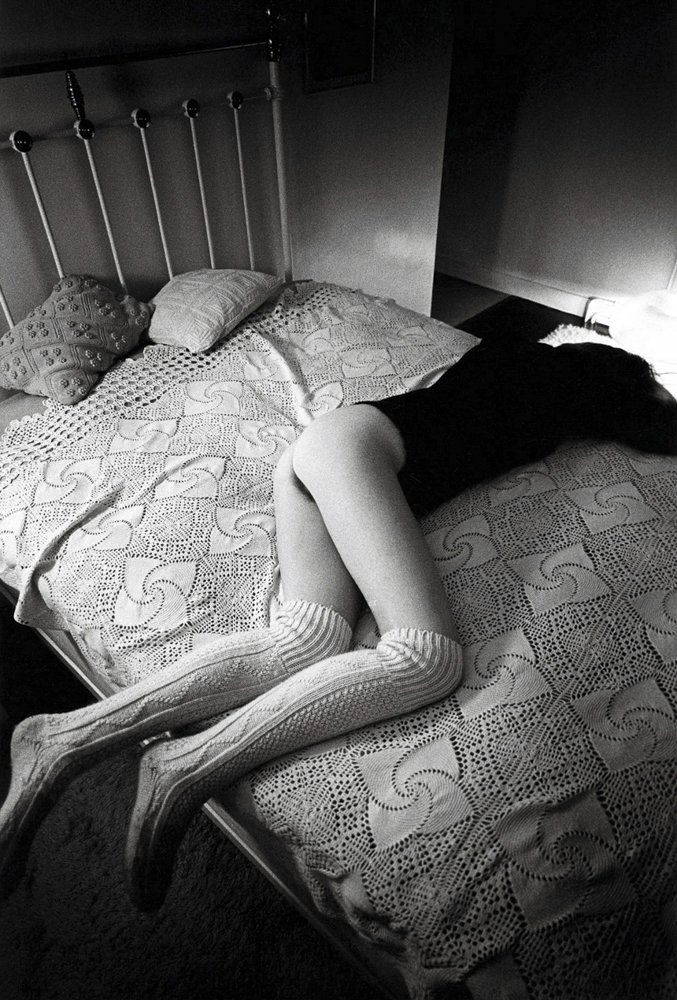
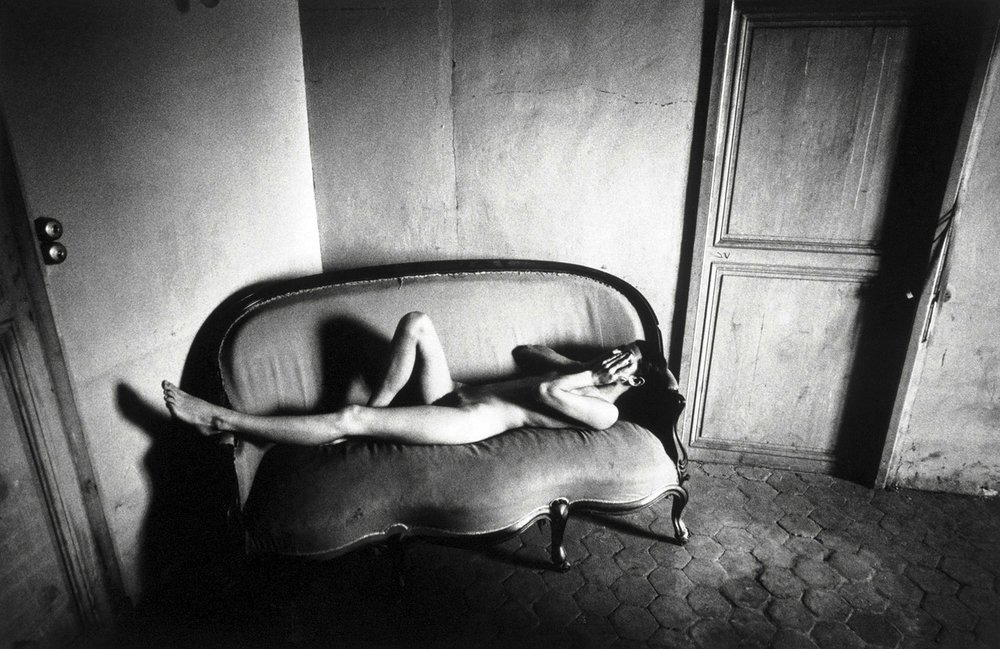
The first question that arises – the thing that strikes you when you look at Jeanloup Sieff’s nudes – is this: are we looking at a nude? A portrait? Reportage? Perhaps a narrative? It even becomes difficult to distinguish them from his landscape or fashion images. I don’t believe Sieff ever approached the nude as a photographic genre; rather, he happened upon nudes in the same way he might find himself photographing anything that caught his curiosity in the street.
It is, rather, a nude found than sought.
“All aspects of photography interest me… I feel for the female body the same curiosity and the same love as for a landscape, a face, or anything else which interests me. In any case, the nude is a form of landscape.”
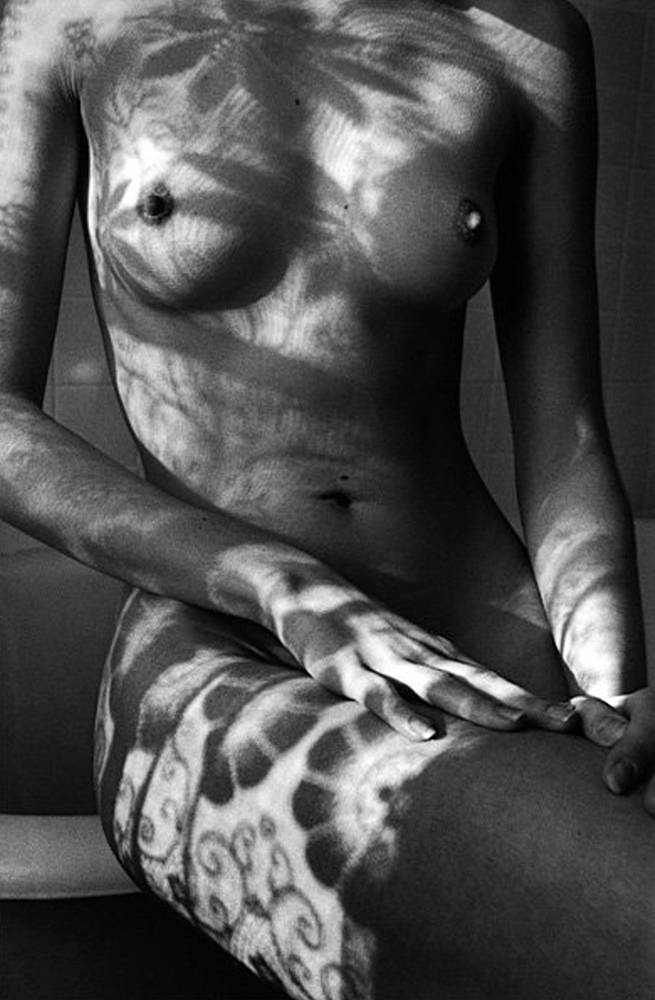
Almost always set in an environment – his less successful images, to me, are the studio ones – it’s hard to draw a line in an approach that constantly blends into glamour and other genres. More than nude photography, perhaps we should speak of photographs of women; but a gaze as erotically charged and intensely sensual as his inevitably attracted the description he himself quoted: “they say my work is ass and wide angle.” That, however, is only a superficial reading (a Tinto Brass enthusiast might say it). Of course, it’s easy to be remembered for a few photographs rather than a lifetime of work, but the female body – especially when nude – can define a career in photography.
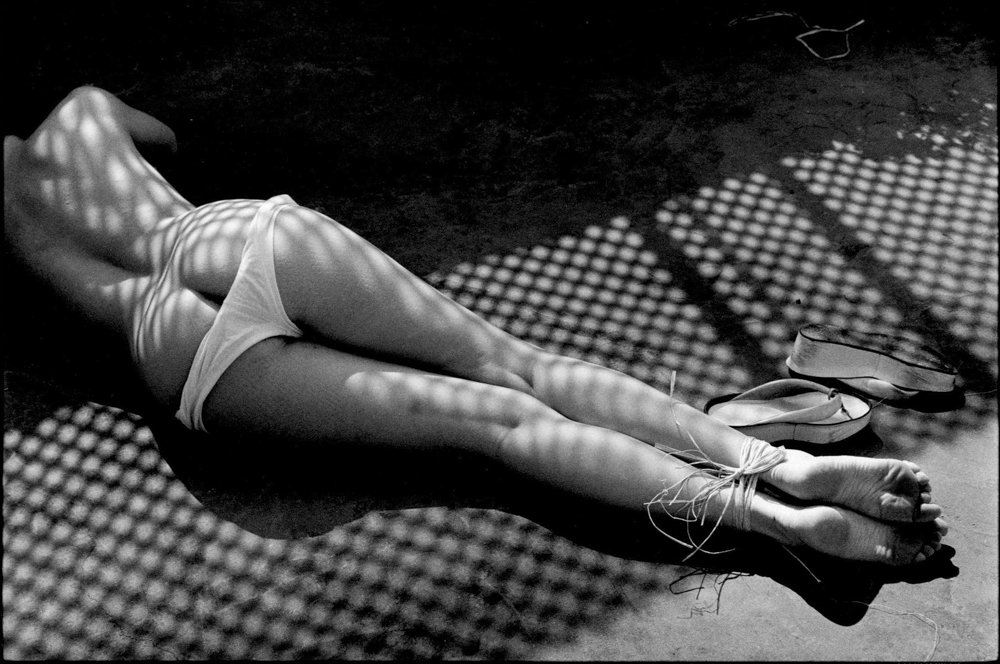
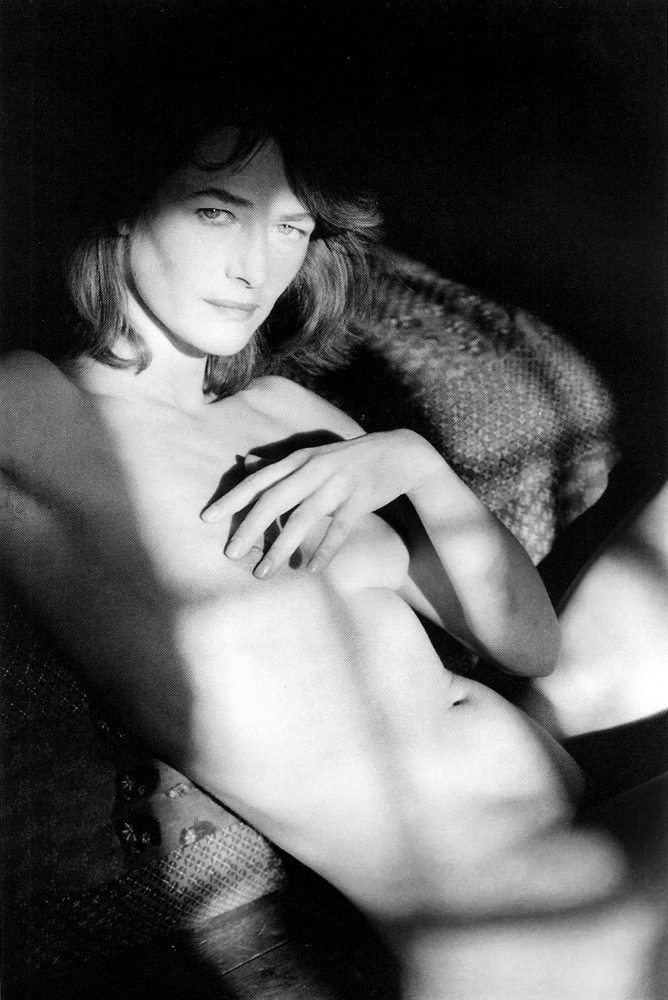
It is hard to find a Sieff nude that is not at least dressed in shadow, or not cloaked by a gaze that immediately turns it into a portrait. The result is that the photograph says first, “this is who I am,” and only then, “I am naked.” I have not found a single nude by Sieff in which, before taking in the body, I – as viewer – do not feel the need to understand a story, to figure out what is happening; everything is always wrapped in something, and if there is no narrative, there is a fabric of shadow; if even that is absent, it is the subject’s gaze that overrides the nudity – a nude portrait, yes, but a portrait before a nude.
Is it really possible, then, that his work can be reduced to “ass and wide angle”?
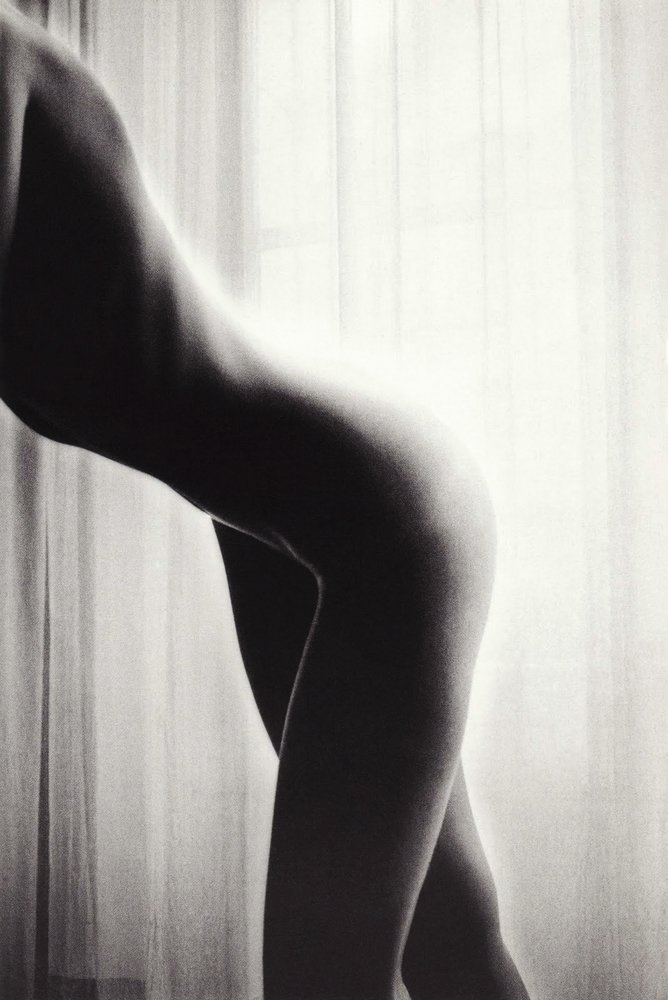
For Sieff more than for others, photography is the very source of light that brings it into being. Often openly declared by the presence of a window, it says: I (the light) am here to shape and to clothe – fitting for someone known above all as a fashion photographer. Light management, for him, is the foundation of photography, and he reasserts it even after the shot through vignetting and masking that reveal – indeed, proclaim – his expert (and at times excessive) use of light in the darkroom. Not that others like Irving Penn or Edward Weston weren’t masters as well, but they did not declare it. In their work, light models and sculpts passively, neutrally. It is simply the most suitable light to exalt a landscape, a shell, a body, or a face.
For the others, the nude is one of form; for him, it is a nude of woman. Sieff wants to play with light. And this seriously playful dimension of his work is what strikes one most: doing extremely serious things with a sense of play. And this, too, he declares openly, for Sieff does not hide behind words or elaborate conceptual frameworks. He himself says:
“I am totally superficial, I know. But I believe superficiality can be very serious, a defense against the gravity of things, a manner of discretion.”
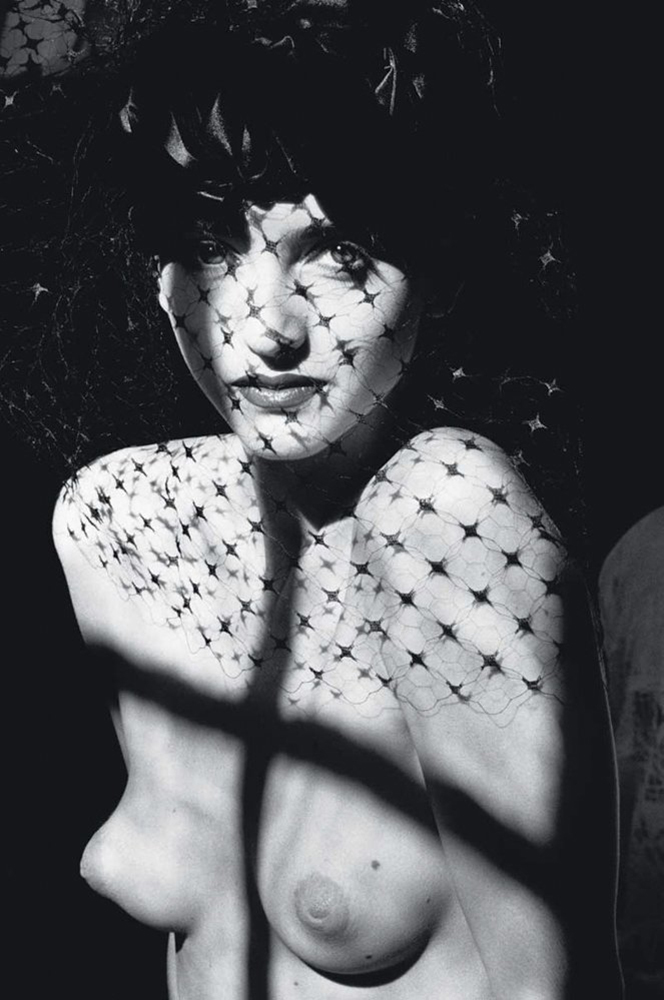
That he plays with light is also evident from the fact that it seems to give him permission to touch his subjects!
He also states that he does not care what part of his work will outlive him, revealing a deep self-assurance – a passion for himself unburdened by the search for external validation, a search that, by contrast, tormented Kertész.