

words: Giuseppe Vaccaro
Man, no matter how hard he tries, can only represent his own perception of reality; the depiction of an absolute truth is pure utopia.
This is the focus of Blow-Up, Michelangelo Antonioni’s 1966 masterpiece, a movie about photography, but in reality about much more. Like no one before him, Antonioni outlines a perfect snapshot of 1960s London’s swinging culture, sketching a ruthless and captivating portrait of the fashion world.
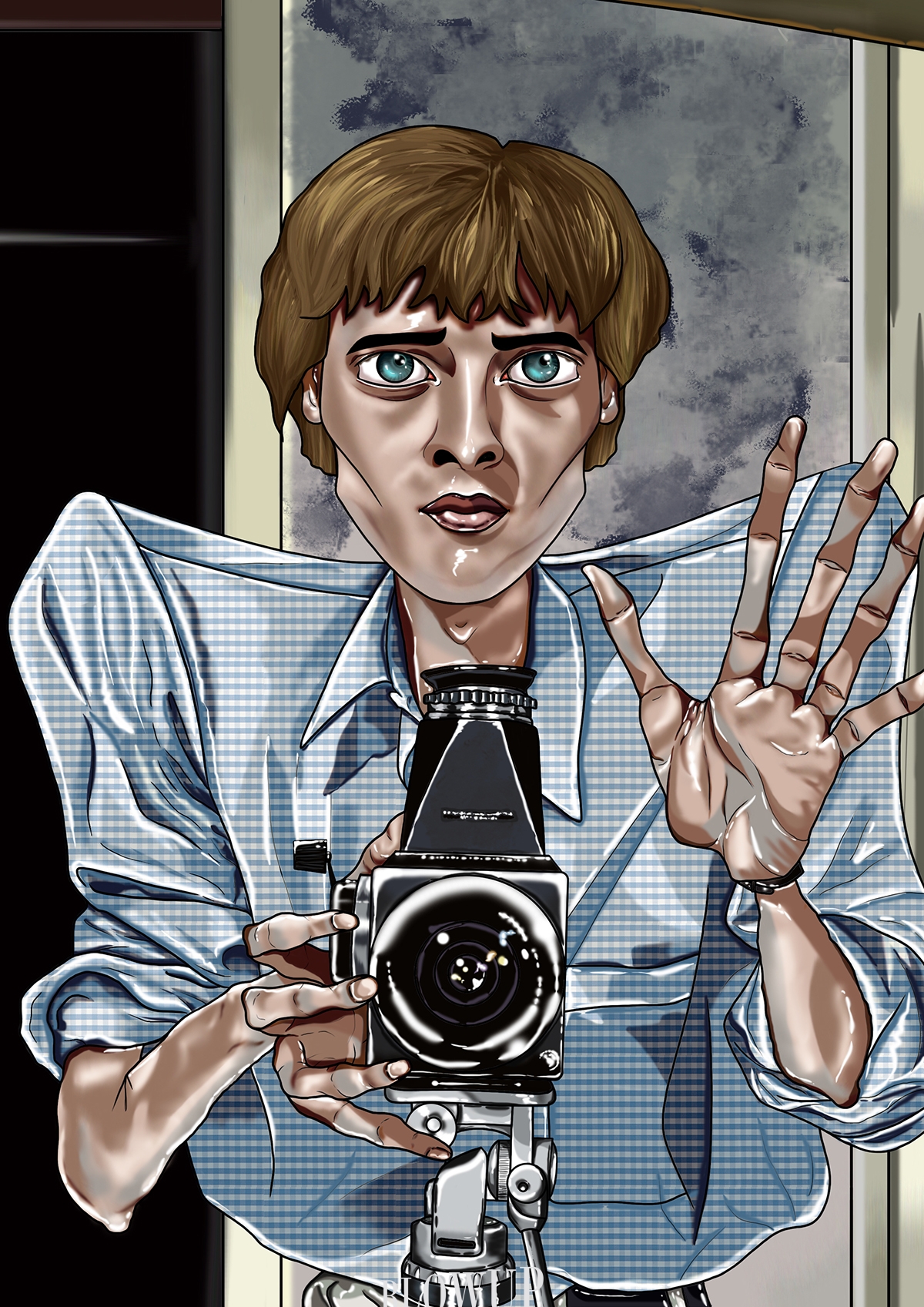
Thomas, the protagonist, is a successful fashion photographer who is at the same time visibly bored with his routine. He seems eager to break free from it by working on a photographic reportage about homeless people. By the way everything is pushed into the background when, randomly in the park, he secretly takes some shots of two lovers. After developing the photos and enlarging them through the darkroom technique known in professional jargon as a “blow-up”, he realize what he thought he witnessed was in fact something completely different. His obsession with discovering what actually happened accompanies him until the end of the movie, when he’ll be forced to give up on his inability to find an answer, and even questioning whether what he saw truly happened or was merely a product of his imagination.
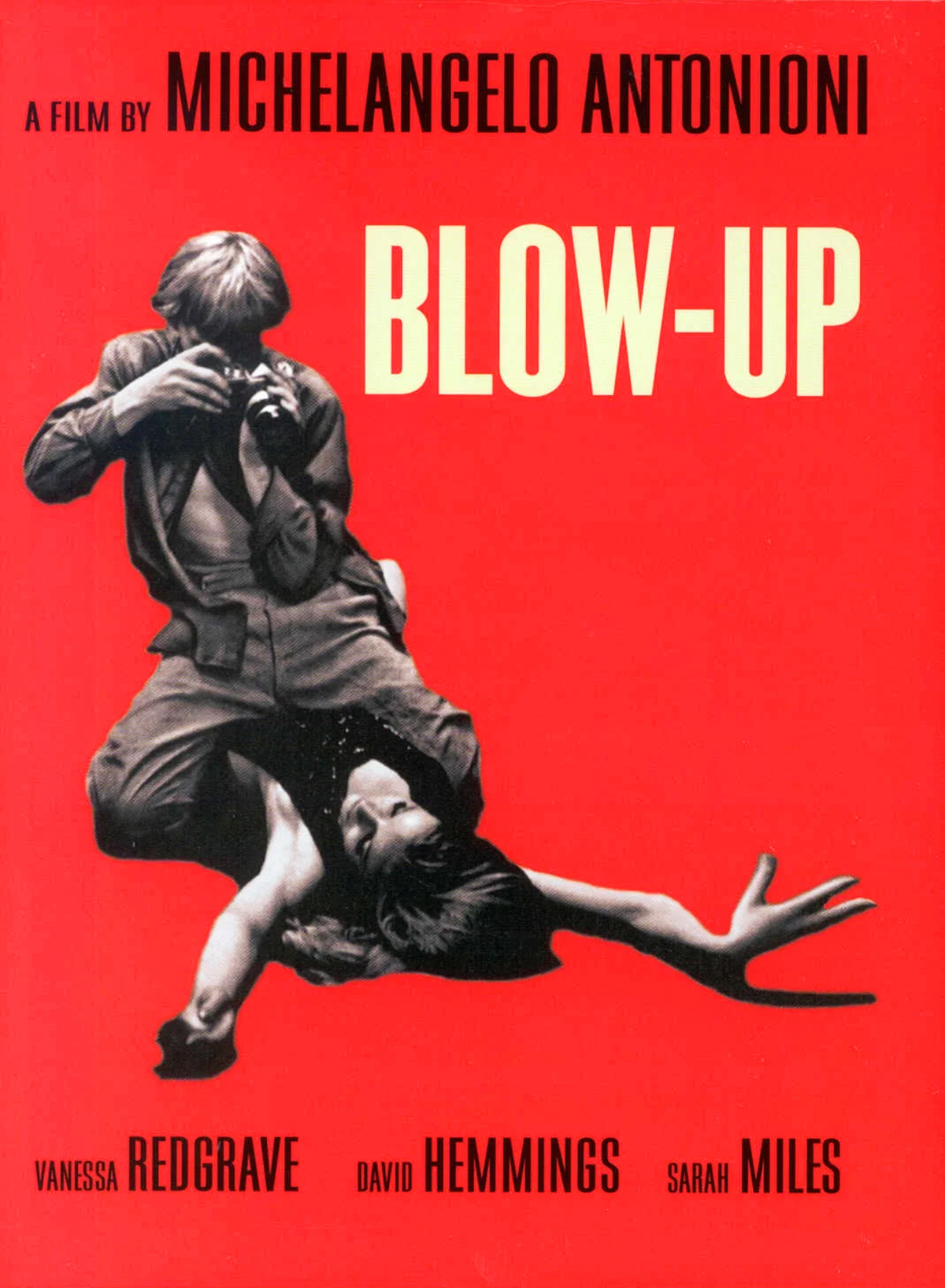
The plot highlights Antonioni’s expressive technique, here with his first experience in directing an English-language movie, and at the second experience in a color movie. Dialogues, stripped to the bone, are often deliberately contradictory, a typical feature for Antonioni’s cinema; but in this case, they serve to underscore the photographs, which dominate the entire scene. They are the central nerve of the action. The blow up technique used by Thomas to uncover the mystery behind the enigmatic Jane does not give him answers at all; it only raises further questions. The continual enlargement of the images, instead of making things clearer, only blurs and distorts them to the point of becoming indecipherable. Through this incredibly effective device, Antonioni seems to communicate the unshakable conflict between signified and signifier, leading Thomas, and the spectator as well, to end up with more questions than answers.
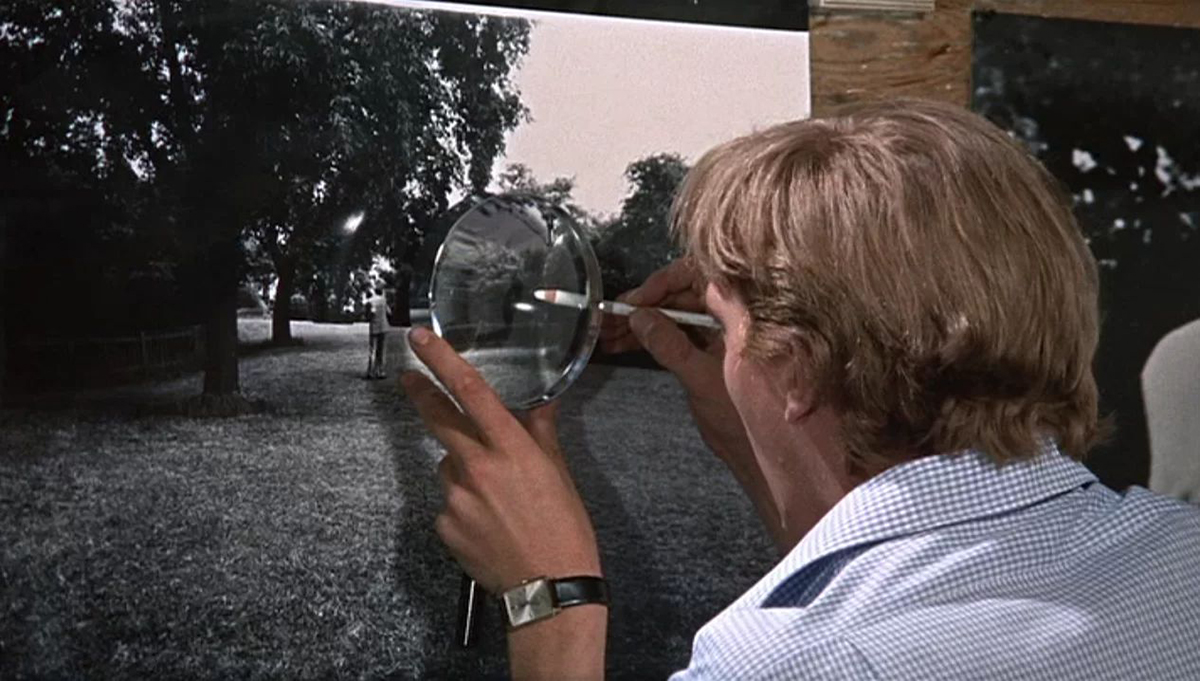
However the frustrating dynamic in which the protagonist falls reaches the story to an optimistic conclusion, as admitted by the author himself. Thomas, despite having become aware of his limitations in explaining what he not only witnessed but even documented, has gained through this experience a greater self-awareness, this seems to reconcile him with his restlessness who accompanied him from the beginning of the movie. On one hand, there’s resignation to the impossibility in finding a single explanation about the contradictory signs encountered throughout a lifetime; on the other, the acceptance you can only read a few and those perhaps not accurately.